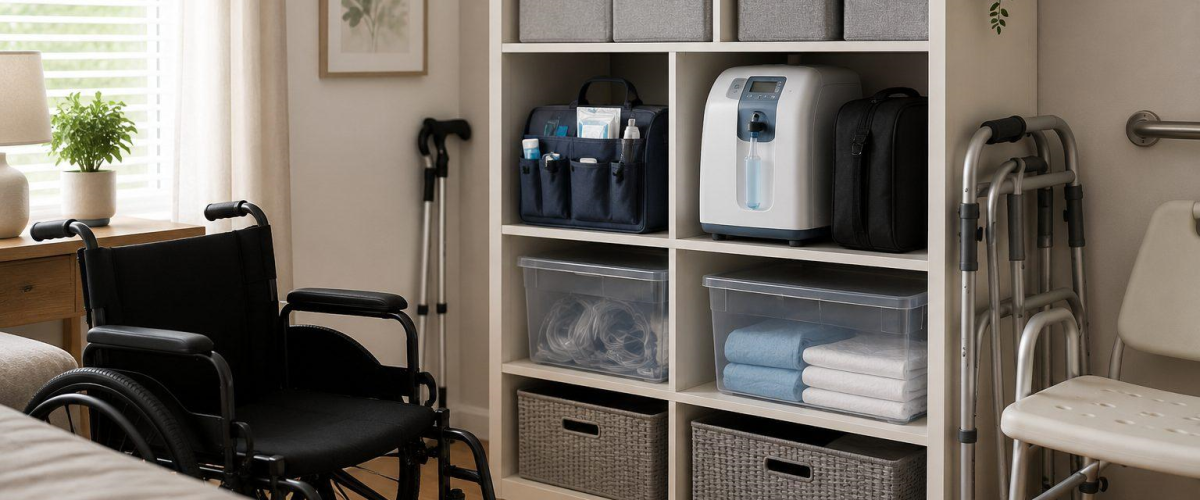
If you are looking for medical supplies in Melrose, Massachusetts, start by identifying the exact item you need, checking whether it requires a prescription or professional fitting, and confirming that a supplier can provide it to your address. Medical supplies can include everyday care products, mobility aids, bathroom safety equipment, wound care items and durable medical equipment for use at home.
The right choice depends on the person using it, the care plan and the product specifications. JFB Distributors lists its contact details online and can be contacted to ask about products, ordering and delivery to Melrose. Availability and delivery should be confirmed directly before you rely on either.
Residents of Melrose can explore medical supply options through local pharmacies, medical equipment suppliers, online retailers and providers recommended by a clinician. For a specific item, ask whether it is in stock, whether a prescription or written order is required, what the total cost will be, whether insurance is accepted and whether delivery to your Melrose address is available. JFB Distributors publishes a phone number, email address, Tewksbury business address and website contact form. Its contact page does not, by itself, confirm a Melrose delivery promise, product availability or insurance participation.

This guide is intended for people arranging care at home, adults recovering after a hospital stay, older residents, family members helping someone manage daily activities, and care professionals sourcing routine products. It is also useful when you are comparing suppliers and want to avoid ordering equipment that does not fit the user, the room or the instructions provided by a health professional.
Medical equipment is not one uniform category. A box of disposable gloves is different from a walker, a hospital bed or respiratory equipment. Some products are simple consumer purchases. Others are regulated devices or durable medical equipment that may require a clinician’s order, setup, training or ongoing maintenance. If you are unsure which category applies, ask the prescribing clinician or supplier before buying.
Medical supplies is a broad everyday phrase. It can refer to consumable products used once or replaced frequently, reusable devices, mobility equipment and larger items designed to support care at home. A supplier may carry only some of these categories, so it is better to ask about the precise item than to assume every medical supply company sells every product.
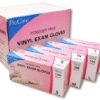
Common examples include examination gloves, masks, disposable underpads, gauze, adhesive dressings, cleansing wipes and other items used in routine care. The correct product depends on the care task and any instructions from a clinician. For wound related products, do not choose a dressing solely because it looks similar to one used previously. The type of wound, drainage, skin condition and treatment plan can affect what is appropriate.
Mobility products may include canes, walkers, rollators, crutches, wheelchairs and accessories. Daily living aids may include reachers, transfer aids, raised toilet seats and shower chairs. Fit and stability matter. A device that is too tall, too short, too wide or difficult to operate can create a new hazard rather than solve the original problem. Have a clinician or qualified equipment professional assess fit when the user has balance, strength, coordination or transfer difficulties.
Bathroom equipment can include grab bars, bath benches, shower chairs, handheld shower accessories and raised toilet seats. A shower chair must fit the shower area and support the user within its stated weight capacity. A grab bar must be securely installed into an appropriate structural support. Suction cup accessories should not be treated as equivalent to a properly installed grab bar unless the manufacturer specifically describes the product for the intended use.
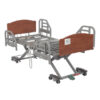
Durable medical equipment, often shortened to DME, generally refers to reusable equipment intended for repeated use in a home setting. Examples can include certain wheelchairs, walkers, hospital beds and oxygen equipment. The precise coverage rules depend on the item and payer. Some devices require an order from a treating provider and documentation of medical necessity. Never assume that a product is covered simply because it is described as medical equipment.
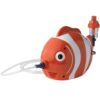
Some products require additional care before purchase. Respiratory devices, CPAP equipment, nebulizers, oxygen equipment and related accessories may need a prescription, exact model matching, clinical settings or setup. If you are replacing a part, record the device manufacturer, model and part number. Do not substitute a component based only on appearance. Ask the prescribing clinician or equipment provider to confirm compatibility.
The best supplier is not automatically the closest one or the one with the largest product catalogue. A useful supplier should be able to clarify the product, explain ordering requirements, provide accurate pricing and tell you what happens if the item is unavailable or unsuitable. Use the following steps before committing to a purchase.
A short conversation can prevent an expensive or unsafe mismatch. Ask direct questions and request written confirmation when details affect price, coverage or delivery.
When considering a cane, walker or rollator, look beyond the product name. Handle height, grip comfort, frame width, turning space, braking system, seat design and the user’s ability to operate the device all matter. A rollator may be useful for some people who can safely manage its brakes, while another person may need a different support device. A clinician or physical therapist can help assess the safest option. Measure doorways and consider stairs, thresholds, rugs and outdoor surfaces before ordering.
Before buying a shower chair or bath bench, measure the bathing area and check the product’s footprint. Confirm whether the chair fits inside the tub or shower, whether the legs adjust, whether the feet have appropriate non slip surfaces and whether the user can transfer onto it safely. A product description cannot determine whether a particular person can use it independently. Ask a clinician or occupational therapist to review the setup when transfers are difficult.
For incontinence products, compare size, absorbency, fit, skin comfort, packaging quantity and disposal needs. A product that does not fit properly may leak or irritate skin. For reusable or washable products, follow the manufacturer’s laundering and cleaning instructions. If there is persistent skin irritation, pain or a sudden change in symptoms, seek advice from a qualified healthcare professional rather than trying to solve the issue through a product change alone.
Wound care products should follow the treatment plan. Ask the clinician which dressing type, size and change schedule are appropriate. Keep sterile products sealed until use and check expiration dates where provided. Gloves and cleaning products can support routine hygiene, but they do not replace hand hygiene, appropriate technique or clinical instruction. If a wound becomes increasingly painful, red, swollen, warm, drains pus or is accompanied by fever, contact a healthcare professional promptly.
Thermometers, blood pressure monitors, pulse oximeters and blood glucose devices are examples of home monitoring products. The correct device depends on what is being measured and how the result will be used. Ask a clinician which type is appropriate and how often readings should be taken. Learn the correct technique, keep the device clean and follow the manufacturer’s calibration or replacement guidance. Do not change medication or treatment based on a single reading unless a clinician has given you a specific action plan.
JFB Distributors provides a direct contact route for people who want to ask about medical supplies and product orders. Its official contact page lists the following details:
| Contact detail | Published information |
| Business | JFB Distributors |
| Phone | 617 502 0784 |
| jfbdistributors@outlook.com | |
| Address | 853 Main St # 205, Tewksbury, Massachusetts 01876 |
| Contact method | Website contact form, phone or email |
The published address is in Tewksbury, not Melrose. The contact page does not specify opening hours or explicitly confirm delivery to Melrose. Before placing an order, contact JFB Distributors to confirm whether it carries the product you need, whether it can deliver to your Melrose address, the delivery timeframe and any applicable fees.
To make the inquiry efficient, include the product name, model or size, quantity, whether you have a clinician’s order, and your delivery ZIP code. Avoid sending unnecessary personal health information through a general website form. If documentation is required, ask the supplier how it should be submitted securely.
For current contact details and the inquiry form, visit: https://jfbdistributors.com/contact-us/
A useful next step is to call 617 502 0784 or use the contact form to ask about your specific item and delivery to Melrose. Confirm all details before relying on availability or scheduling care around a delivery.
Insurance coverage is product specific. Original Medicare Part B covers certain medically necessary durable medical equipment when eligibility and supplier requirements are met. It does not generally cover many common disposable supplies used at home, such as ordinary bandages and gauze. Medicare’s official guidance explains that coverage can depend on the type of product, the medical need, the order, the supplier and other circumstances.
Before buying, call the number on your insurance card and ask whether the exact item is covered, whether prior authorization is needed, whether a prescription or written order is required, which suppliers are in network and what your expected out of pocket cost will be. If you have Medicare Advantage, contact your plan because network and cost rules can differ from Original Medicare.
Do not assume that a supplier accepts Medicare or bills your plan. Ask whether the supplier is enrolled or participates for the exact item and whether it accepts assignment when applicable. Confirm whether the equipment will be rented or purchased, how long rental payments continue and who is responsible for maintenance.
A one time purchase can make sense for low cost supplies or equipment needed over a long period. Renting may be appropriate when the equipment is expensive, needed temporarily or when a payer requires rental. Borrowing may be possible through a community organization or family network, but used equipment must be inspected for damage, cleanliness, missing parts and current manufacturer guidance. Do not use a device if its safety or operating condition is uncertain.
| Option | Potential advantage | Questions to resolve |
| Buy | Ownership and convenient access for ongoing use. | Upfront cost, warranty, fit, maintenance and return rules. |
| Rent | May reduce the initial payment for temporary needs. | Rental period, monthly fees, service calls, delivery and end of rental terms. |
| Borrow | May reduce cost for short term use. | Condition, sanitation, missing parts, fit and whether the device is appropriate. |
There is no single reliable price for medical supplies in Melrose because cost depends on product type, brand, size, features, quantity, delivery and insurance arrangements. A basic consumable item is not comparable with a powered mobility device or hospital bed. Online list prices may also exclude shipping, accessories, setup or recurring replacement parts.
Request an itemized quote. Ask whether the quoted amount includes the full product, necessary accessories, delivery, assembly, training and taxes. If the supplier offers several models, compare the specifications rather than choosing only by price. A lower priced item may not meet the clinical order or fit the user. A more expensive model is not automatically safer or more appropriate.
Melrose is a compact city north of Boston. The City of Melrose describes it as approximately seven miles from Boston and notes access to commuter rail and the Oak Grove Orange Line stop near the Malden border. The U.S. Census Bureau estimates the city population at 29,597 in July 2025, with 20.6 percent of residents age 65 or older in the 2020 to 2024 estimate period. These figures provide context for a local guide, but they do not establish the medical needs of any individual or prove that a particular supplier serves the city.
For residents arranging delivery, practical details matter. Confirm whether the driver can reach the entrance, whether stairs or narrow hallways affect delivery, whether an adult must be present and whether the product will be brought inside or left at the doorway. For large equipment, measure the entrance, hallways and intended room before ordering. If the item needs installation or fitting, confirm who performs that work and whether it is included.
If you are coordinating care after a hospital discharge, start early. Ask the discharge planner, treating clinician or therapist what equipment is needed and when it must be ready. MedlinePlus guidance on preparing the home after a hospital stay recommends planning the home environment and asking healthcare professionals what changes are appropriate. Delivery timing should be confirmed with the supplier rather than assumed.
Options include pharmacies, medical equipment suppliers, online retailers and suppliers recommended by your healthcare professional. Contact the supplier with the exact product name and confirm stock, total price, ordering requirements and delivery to your address. JFB Distributors publishes a phone number and online contact form, but Melrose delivery should be confirmed directly.
The contact page lists a Tewksbury, Massachusetts address and contact methods. It does not explicitly state that delivery to Melrose is available. Call 617 502 0784 or use the contact form to confirm delivery to your exact address, timing and fees.
Depending on the supplier, home care products may include disposable care items, personal care products, mobility aids, bathroom safety equipment and certain durable medical equipment. Product availability varies. Ask about the exact item rather than assuming a category is stocked.
Some products can be purchased directly, while certain durable medical equipment or treatment related devices require a prescription or written order. Insurance coverage may require additional documentation. Ask the clinician and supplier before ordering.
Original Medicare Part B covers certain medically necessary durable medical equipment when eligibility and supplier requirements are met. Many common disposable supplies used at home are not covered under the general supplies benefit. Check the Medicare coverage page for the specific item and confirm with your plan.
Some suppliers offer delivery, but availability, setup and delivery area vary. Confirm the exact model, measurements, weight capacity, delivery charge and whether setup is included. Ask a clinician or therapist to help assess fit and safe use.
Compare exact product availability, product knowledge, transparent pricing, delivery terms, return policies, warranty support and insurance participation where relevant. A supplier should be willing to answer questions about specifications and ordering requirements.
Provide the product name or model, size, quantity, delivery ZIP code and whether a clinician’s order is available. Ask for an itemized total and the expected delivery timeframe. Share personal medical details only when necessary and through an appropriate secure process.
No. Medical supplies can include disposable products and a broad range of care items. Durable medical equipment generally refers to reusable equipment intended for repeated use, such as certain walkers, wheelchairs or hospital beds. Coverage and ordering rules differ.
Ask the discharge planner or treating clinician to specify the required equipment and timing. Contact suppliers immediately to check stock and delivery. Do not substitute a different device without confirming that it meets the clinical need.
Finding medical supplies in Melrose, MA starts with a clear product requirement and a supplier that can confirm the details. Check fit, compatibility, documentation, total cost, delivery and support before ordering. JFB Distributors publishes a phone number, email address, Tewksbury address and website inquiry form. Contact the company directly to confirm whether it can supply your item and deliver it to Melrose. For products tied to a medical condition or treatment plan, follow the advice of your healthcare professional.