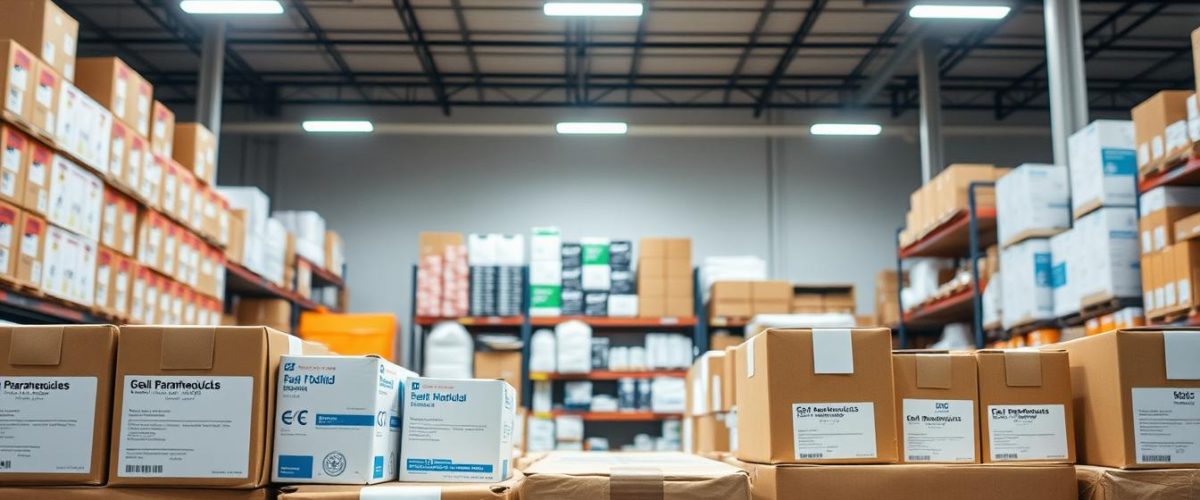
Medical supplies in Fitchburg, MA may include everyday healthcare products, mobility aids, home-care equipment, respiratory supplies, diabetic supplies, bathroom-safety products, wound-care items, and durable medical equipment (DME). The exact products available depend on the supplier and current inventory. Before ordering, confirm the exact item, prescription or documentation requirements, insurance rules, delivery options, setup, and after-purchase support. If you are considering JFB Distributors, contact the company directly to discuss your product needs and confirm what options are currently available for your Fitchburg location.
| Start with JFB Distributors Call 617-502-0784. Provide the exact product or equipment name, your Fitchburg ZIP code, and any relevant insurance information. Ask about current availability, ordering requirements, delivery or service options, pricing, and product questions. |
A search for medical supplies in Fitchburg can represent several different needs. One person may need routine consumable supplies. Another may need a walker after a change in mobility. A caregiver may be preparing a home for someone returning from a hospital stay. A patient may need respiratory equipment, diabetes-related supplies, or another type of DME.
Because the phrase medical supplies is broad, the most useful first step is to identify the exact product category. This helps a supplier determine whether the item is available, whether additional documentation is needed, and what questions should be answered before an order is placed.
For Fitchburg residents and organizations, the local search landscape may include medical-equipment suppliers, pharmacies, specialty providers, regional distributors, and online suppliers. The supplied content framework deliberately avoids naming other local businesses unless their current details are verified. A directory listing or an old search result should not be treated as proof of current inventory, pricing, hours, delivery, or insurance participation.
| Need | Examples | Key questions before ordering |
| Routine medical supplies | Dressings, gauze, disposable or consumable home-care items | What exact product and quantity do I need? Is it currently available? |
| Mobility equipment | Walkers, wheelchairs, canes, crutches, lift chairs, transfer aids | Will it fit the user and the home? Is delivery/setup available? |
| Respiratory equipment | CPAP, BiPAP, oxygen equipment, nebulizers and related supplies | What prescription, documentation, training, and ongoing support are needed? |
| Diabetic supplies | Glucose monitors, test strips, lancets, CGM-related supplies | Is the exact product covered or available? How are recurring refills handled? |
| Home-care equipment | Hospital beds, bathroom safety equipment, support surfaces | What measurements and medical-necessity documentation are required? |
| Wound/clinical supplies | Wound-care and other treatment-related consumables | Does the product match the care plan and payer requirements? |
Mobility equipment is designed to help with movement, transfers, positioning, or safe access around the home. Examples can include walkers, rollators, canes, crutches, manual wheelchairs, power wheelchairs, scooters, transfer aids, and lift chairs. The appropriate choice depends on the user’s needs and the environment where the equipment will be used.
Before ordering: Check dimensions, weight capacity, seat or handle height, doorway clearance, turning space, transportation needs, accessories, and whether professional fitting or training is available.
Wheelchairs and walkers are common examples of DME. A product that looks suitable online may still be a poor fit if its dimensions, weight capacity, maneuverability, or accessories do not match the user’s needs.
Before ordering: Ask about measurements, fit, intended use, terrain, storage, transport, maintenance, and replacement parts.
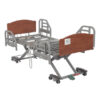
Hospital beds and specialized positioning equipment may be used in home-care settings when a person’s needs require more than a standard household bed. Some payer programs have specific medical-necessity and prior-authorization rules.
Before ordering: Confirm the clinical order, documentation, room dimensions, electrical requirements, mattress/accessory compatibility, delivery, setup, and repair process.
Bathroom safety products can include commodes, shower benches, bath equipment, raised toilet equipment, grab-related accessories, and transfer aids. These products should be selected with the actual bathroom layout in mind.
Before ordering: Measure doorways, bathroom clearances, tub or shower access, toilet height, and the space needed to transfer safely.
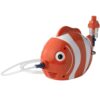
Respiratory equipment can include CPAP and BiPAP devices, oxygen equipment, nebulizers, ventilatory equipment, airway-clearance devices, and related supplies. Requirements vary by product and payer.
Before ordering: Ask about prescriptions, medical necessity, payer authorization, equipment training, replacement schedules, supplies, maintenance, and support.
CPAP means continuous positive airway pressure. BiPAP generally refers to bilevel positive airway pressure. Equipment can include machines, masks, tubing, filters, humidification components, and other related supplies.
Before ordering: Confirm the exact device and compatible accessories. Ask the supplier what documentation and replacement process apply to the specific product.
Home oxygen equipment may include systems that provide oxygen, storage containers, tubing, and related accessories. Medicare lists oxygen equipment among covered DME categories for eligible beneficiaries when applicable requirements are met.
Before ordering: Confirm the order, payer rules, equipment type, delivery, ongoing supply needs, maintenance, and what to do if equipment develops a problem.
Diabetes-related supplies may include blood glucose monitors, test strips, lancets, continuous glucose-monitoring systems, and related products. Coverage and eligibility can vary by plan and product.
Before ordering: Ask about the exact brand/model, recurring supplies, quantity limits, prescription requirements, and payer rules.
Home-care supplies can include wound-care products, absorbent products, ostomy supplies, catheter-related products, and other consumables. Product selection should follow the appropriate care plan when the item is medically necessary.
Before ordering: Confirm the exact product, size, quantity, recurring need, documentation, and coverage rules.
Medical supplies and durable medical equipment are related but not identical categories. Everyday supplies may be consumable or disposable, while DME is generally equipment intended for repeated use. Medicare defines DME as equipment that can withstand repeated use, is used for a medical reason, is generally useful because of illness or injury, is used in the home, and is expected to last at least three years.
This distinction matters because payer rules differ by item. A product can be a medical product without being covered by a particular insurance plan. For example, Original Medicare generally does not cover common medical supplies typically used at home, such as ordinary bandages and gauze, while Medicare Part B may cover medically necessary DME when applicable requirements are met.
| Category | Examples | Typical use | Purchase / rental considerations | Insurance considerations |
| Everyday medical supplies | Bandages, gauze, routine consumables | Basic home care and treatment support | Often purchased as consumables; recurring quantities may matter | Coverage varies; Original Medicare generally does not cover many common home supplies |
| Mobility DME | Walkers, wheelchairs, canes, crutches | Mobility and transfers | May be purchased or rented depending on item and payer | Coverage depends on medical necessity, eligibility, item, supplier, and plan rules |
| Respiratory DME | CPAP/BiPAP, oxygen equipment | Home respiratory support | Rental or purchase rules can vary by equipment and payer | Prescription/medical necessity and supplier requirements may apply |
| Hospital/home-care DME | Hospital beds, support surfaces | Home positioning, care, and safety | Delivery/setup and ongoing maintenance are important | Some MassHealth DME requires prior authorization and medical-necessity documentation |
| Diabetes-related DME/supplies | Glucose monitors, CGM systems, lancets | Glucose monitoring | Recurring supplies and compatible components matter | Some products may be covered when eligibility and product-specific requirements are met |
Choosing a medical-supply provider should involve more than finding the lowest advertised price. The provider should be able to explain the product, confirm availability, identify documentation requirements, and clarify delivery, setup, repair, and replacement policies where applicable.
Give the supplier the exact product name, model, size, quantity, and any relevant specifications. Do not assume that a supplier carries every product in a category.
For equipment billed to Medicare or another payer, ask whether the supplier meets the applicable program requirements. Medicare advises beneficiaries to make sure their doctors and DME suppliers are enrolled in Medicare and to ask whether a supplier participates or accepts assignment.
Ask whether the supplier works with your specific plan and whether the exact item is eligible for billing. Participation can differ by payer and product.
Do not assume that every medical product requires a prescription or that no documentation is needed. Requirements vary by product and payer.
For larger or technical equipment, ask whether delivery is available to your Fitchburg address, whether setup is included, and whether training is offered.
Ask who handles repairs, replacement parts, warranty questions, maintenance, and replacement requests. For equipment used every day, support after the sale can be as important as the original purchase.
For a user with mobility limitations, the delivery process itself matters. Ask how the equipment will enter the home and whether doorways, stairs, bathrooms, and other spaces create constraints.
Insurance coverage depends on the person’s eligibility, the exact item, medical necessity, the applicable benefit, supplier requirements, authorization rules, and the specific insurance plan. A supplier can help explain the process, but coverage should be confirmed with the payer before a costly order is placed.
For Original Medicare, Part B covers medically necessary DME when eligibility and other requirements are met. Medicare states that after the Part B deductible, a beneficiary generally pays 20% of the Medicare-approved amount when the supplier accepts assignment. Medicare also advises consumers to check whether doctors and DME suppliers are enrolled and whether suppliers participate or accept assignment.
Medicare’s coverage of ordinary home medical supplies is different. Medicare states that Part B usually does not cover common supplies used at home, such as bandages and gauze. Product-specific rules can differ, so the exact item should always be checked.
MassHealth has its own rules and medical-necessity process. Current MassHealth guidance states that DME providers need either a prescription or letter of medical necessity for DME purchase or rental, and many DME items require prior authorization. The DME provider coordinates delivery after required documentation or prior authorization is obtained.
| Coverage question | What to verify | Why it matters |
| Am I eligible? | Plan eligibility and benefit status | Coverage rules apply only when program requirements are met |
| Is this exact item covered? | Product category, code, and benefit rules | Coverage is not determined by the word ‘medical’ alone |
| Is prior authorization required? | Payer-specific authorization rules | Ordering before authorization may create avoidable delays or costs |
| Does the supplier participate? | Supplier enrollment/participation with the payer | Participation can affect billing and patient responsibility |
| What documentation is needed? | Prescription, letter of medical necessity, clinical information, or other records | Incomplete documentation can delay processing |
| What will I pay? | Deductible, coinsurance, copay, non-covered amount, or other plan rules | The listed retail price may not equal the patient’s final responsibility |
| Do not rely on a general coverage statement Before paying for expensive equipment, ask the insurer and supplier about the exact product, supplier participation, documentation, prior authorization, and expected out-of-pocket cost. |
Documentation requirements vary. Depending on the product and payer, the process may involve a prescription, a letter of medical necessity, clinical notes, measurements, test results, insurance information, or prior authorization. The key is to ask what the exact item requires before placing the order.
Current Massachusetts MassHealth materials emphasize medical-necessity documentation for certain DME and prior-authorization processes. Requirements can change, so current payer guidance should be checked at the time of ordering.
Some medical equipment may be purchased, rented, or handled through a payer-specific arrangement. The correct approach depends on the equipment, the payer, the expected period of use, and the applicable rules. Consumers should compare the total arrangement rather than assuming that purchase is always better than rental.
| Factor | Buying | Renting | Questions to ask |
| Ownership | You generally own the equipment after purchase | Ownership may remain with the supplier or payer during the rental period | Who owns it at the end? |
| Upfront cost | Can be higher initially | May spread costs over time | What is the total cost under each option? |
| Length of need | Can make sense for long-term use | May be useful when needs or eligibility change | How long is the equipment expected to be needed? |
| Repairs | Ask what warranty/support applies | Ask what maintenance is included | Who handles repairs and replacement parts? |
| Payer rules | May be subject to purchase requirements | Some DME is rented under payer rules | Does the plan require rental or allow a choice? |
| Replacement | Ask about warranty and replacement policies | Ask what happens when rental equipment fails | What happens if the equipment breaks? |
For medical equipment, the transaction does not necessarily end when the product arrives. Delivery, setup, training, maintenance, repairs, replacement parts, and returns can all affect the usefulness and total value of the equipment.
Ask whether the supplier currently delivers to your Fitchburg ZIP code, what the delivery window is, and whether someone must be present.
For large or technical equipment, ask whether installation or setup is included or must be arranged separately.
Ask whether the user or caregiver receives instructions or demonstrations. FDA guidance for home-use devices emphasizes understanding how the device works, following instructions, and contacting the supplier when help is needed.
Ask how to report a malfunction, how quickly repairs are handled, and whether a temporary replacement is available when appropriate.
Confirm which consumable or replaceable components are expected and how they are ordered.
Ask about the return or exchange policy before ordering, especially for products that are sized, fitted, opened, or customized.
A product described as medical is not automatically covered. Verify the exact product and payer rules.
A lower price may not include delivery, setup, fitting, training, warranty, repairs, or replacement support.
Walkers, wheelchairs, beds, bathroom equipment, and other DME must fit the intended user and home environment.
CPAP/BiPAP accessories, tubing, masks, filters, and other components may need to match a specific device.
If a payer requires prior authorization, confirm the process before committing to a purchase.
Inventory changes. Ask about the exact model and current availability.
Doorways, stairs, bathrooms, electrical requirements, and storage can affect whether equipment works in the home.
For daily-use equipment, know who to contact when something breaks or needs replacement.
A simple decision framework can make a medical-supply search more efficient. Start with the exact need, identify the product, confirm the clinical or functional requirements, check payer rules, and then compare suppliers based on availability and support.
| Step | Decision | What to prepare |
| 1. Identify the need | What does the equipment or supply need to accomplish? | Product name, intended use, clinical recommendation |
| 2. Identify the product | What exact model, size, quantity, or specification is appropriate? | Model number, measurements, quantity, compatible accessories |
| 3. Check documentation | Is a prescription, LOMN, clinical note, or authorization needed? | Prescription and insurance information |
| 4. Check coverage | Will the applicable plan cover the exact item? | Payer name, member information, supplier participation questions |
| 5. Confirm availability | Can the supplier provide the item now? | Exact product details and ZIP code |
| 6. Plan delivery/setup | Can the item reach and function in the home? | Doorway, bathroom, room, electrical, and storage measurements |
| 7. Compare support | Who handles repairs, replacement, warranty, and recurring supplies? | Warranty and support questions |
| 8. Order with confidence | Are cost, documentation, delivery, and support clear? | Written confirmation where appropriate |
If you are considering JFB Distributors, use the same framework: call 617-502-0784, provide the exact product and Fitchburg ZIP code, and ask the company to confirm current availability, ordering requirements, delivery or service options, pricing, and product questions.
Where can I buy medical supplies in Fitchburg, MA?
You can compare medical-equipment suppliers, pharmacies, specialty providers, regional distributors, and online sources. The best option depends on the exact product, availability, insurance requirements, delivery needs, and support required.
What medical equipment is available near Fitchburg?
Potential categories include mobility equipment, respiratory equipment, CPAP/BiPAP supplies, oxygen equipment, diabetic supplies, hospital beds, bathroom-safety equipment, wound-care products, and other DME. Current inventory must be confirmed with the supplier.
What is durable medical equipment (DME)?
DME is equipment designed for repeated use and used for a medical reason. Medicare defines DME as equipment that can withstand repeated use, is used in the home, is generally useful because of illness or injury, and is expected to last at least three years.
Does Medicare cover medical supplies?
Original Medicare generally does not cover many common home supplies such as bandages and gauze. Medicare Part B may cover medically necessary DME when eligibility and coverage requirements are met.
Does Medicare cover walkers or wheelchairs?
Medicare Part B covers certain medically necessary DME, including categories such as walkers and other equipment, when applicable requirements are met. Supplier enrollment and participation rules also matter.
Does MassHealth cover DME?
MassHealth covers eligible DME under its program rules. Many DME items require documentation and prior authorization, and coverage depends on medical necessity, eligibility, the item, and applicable program requirements.
Do I need a prescription for a walker?
Prescription requirements vary by product and payer. Do not assume a prescription is always required or never required. Ask the supplier and payer about the exact walker and intended coverage.
Where can I find diabetic supplies?
Diabetic supplies may include glucose meters, test strips, lancets, and continuous glucose-monitoring products. Availability and coverage depend on the exact product, eligibility, and payer rules.
Where can I get oxygen equipment?
Oxygen equipment is a DME category that may be available through qualified suppliers. Medicare and other payers have product-specific requirements, so confirm the prescription, eligibility, supplier requirements, delivery, and ongoing support.
Can medical supplies be delivered to Fitchburg?
Some suppliers offer delivery, but service areas vary. Confirm that the supplier currently serves your Fitchburg ZIP code and ask whether delivery, setup, and training are included.
How do I choose a DME supplier?
Compare exact product availability, supplier requirements, payer participation, documentation support, delivery, setup, repairs, warranty, replacement parts, and total cost.
Can a supplier bill insurance?
Some suppliers bill insurance, but participation and billing rules depend on the supplier, payer, and product. Ask whether the supplier participates with your specific plan and whether the exact item can be billed.
What should I do if the equipment I need is unavailable locally?
Ask whether the supplier can order the item, provide an approved alternative, or identify another current option. Confirm compatibility, payer requirements, delivery, and total cost before accepting a substitute.
Does JFB Distributors have a Fitchburg location?
The supplied contact information lists JFB Distributors at 853 Main St #205, Tewksbury, Massachusetts 01876. The source does not establish a physical Fitchburg storefront. Contact JFB directly to confirm whether it currently offers delivery or service for your Fitchburg location.
How do I contact JFB Distributors?
Call 617-502-0784. The listed address is 853 Main St #205, Tewksbury, Massachusetts 01876.
Finding the right medical supplies in Fitchburg, MA starts with a clear understanding of the product and the user’s needs. Routine consumables, mobility equipment, respiratory equipment, diabetic supplies, hospital beds, bathroom-safety products, and other DME can involve different product specifications, documentation requirements, payer rules, and support needs.
A reliable buying process is straightforward: identify the exact item, confirm availability, ask about documentation, verify insurance or payer requirements, check delivery and setup, and understand repair and replacement policies. Do not assume that a medical product is automatically covered or that every supplier has the same inventory, service area, pricing, or insurance participation.
| Ready to discuss your medical-supply needs? Call JFB Distributors at 617-502-0784. Provide the exact product or equipment you need and your Fitchburg ZIP code so the team can explain the next steps. |