
If you are looking for medical supplies in Chelsea, Massachusetts, begin by identifying the exact item you need and how it will be used. A household arranging care after a hospital stay may need a different solution from a clinic restocking routine supplies or a caregiver looking for safer bathing equipment. JFB Distributors is based at 853 Main St #205 in Tewksbury, Massachusetts, and its website presents medical supply and equipment options for customers to enquire about. Chelsea residents can contact the company to ask whether a product is available, whether it can be delivered to their address, what it costs and whether any documentation is required. Confirm each detail before placing an order.
For medical supplies in Chelsea, compare suppliers by the exact product required, product suitability, availability, delivery arrangements, total cost, return policy and any insurance requirements. Contact us at JFB Distributors at 617 502 0784 and email jfbdistributors@outlook.com. Our business address is in Tewksbury. Contact us before travelling or assuming a product is in stock. For equipment connected to a medical condition, ask the treating clinician to confirm the appropriate type and specifications.
This guide is intended for Chelsea residents, family members arranging care, professional caregivers, home care teams and organizations that purchase healthcare supplies. It is useful whether the need is immediate or planned. You may be replacing a worn mobility aid, preparing a home for someone returning from hospital, looking for hygiene products, comparing suppliers or arranging a repeat order for a care setting.
The most useful supplier is not automatically the one with the longest product list or the closest address. A good purchasing decision depends on whether the exact item meets the user’s needs, whether the supplier can deliver when required, and whether the seller clearly explains the cost and practical arrangements. A supplier should be willing to clarify what it can and cannot provide.
Medical supplies is a broad term. It can refer to disposable products used in daily care, devices used to monitor health, equipment that supports mobility, products used for personal hygiene and specialized equipment used in clinical or home settings. The phrase does not describe one standard product category. A supplier may carry some types of products but not others, so the first step is to describe the item as precisely as possible.
Durable medical equipment, commonly called DME, is equipment intended for repeated use and a medical purpose. Medicare uses specific criteria when determining whether an item qualifies as DME for coverage. The equipment generally must be durable, used for a medical reason, generally not useful to someone who is not sick or injured, and appropriate for use in the home. CMS explains the definition and the criteria used in its DME guidance. Not every item marketed as medical equipment qualifies for Medicare coverage.
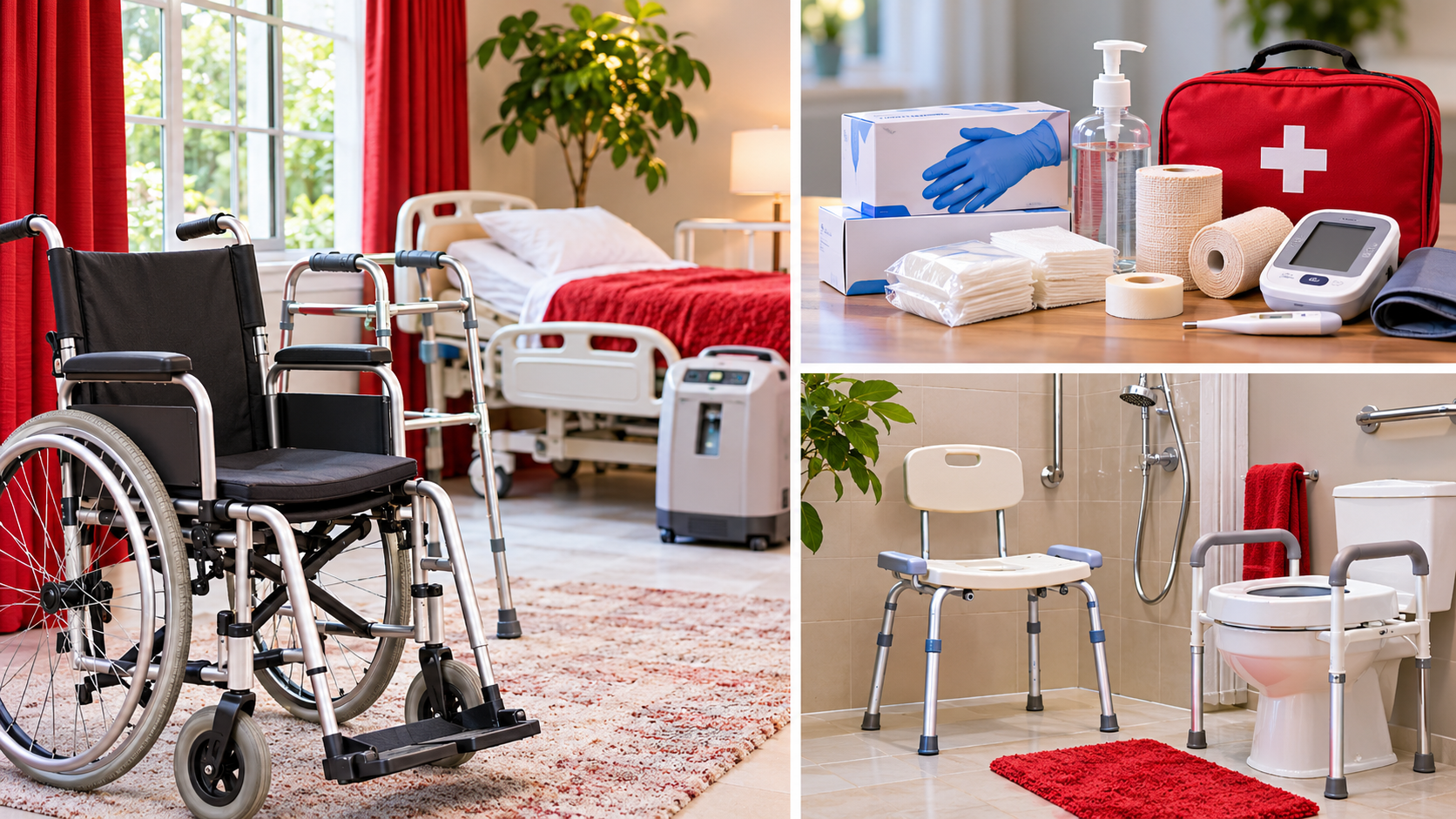
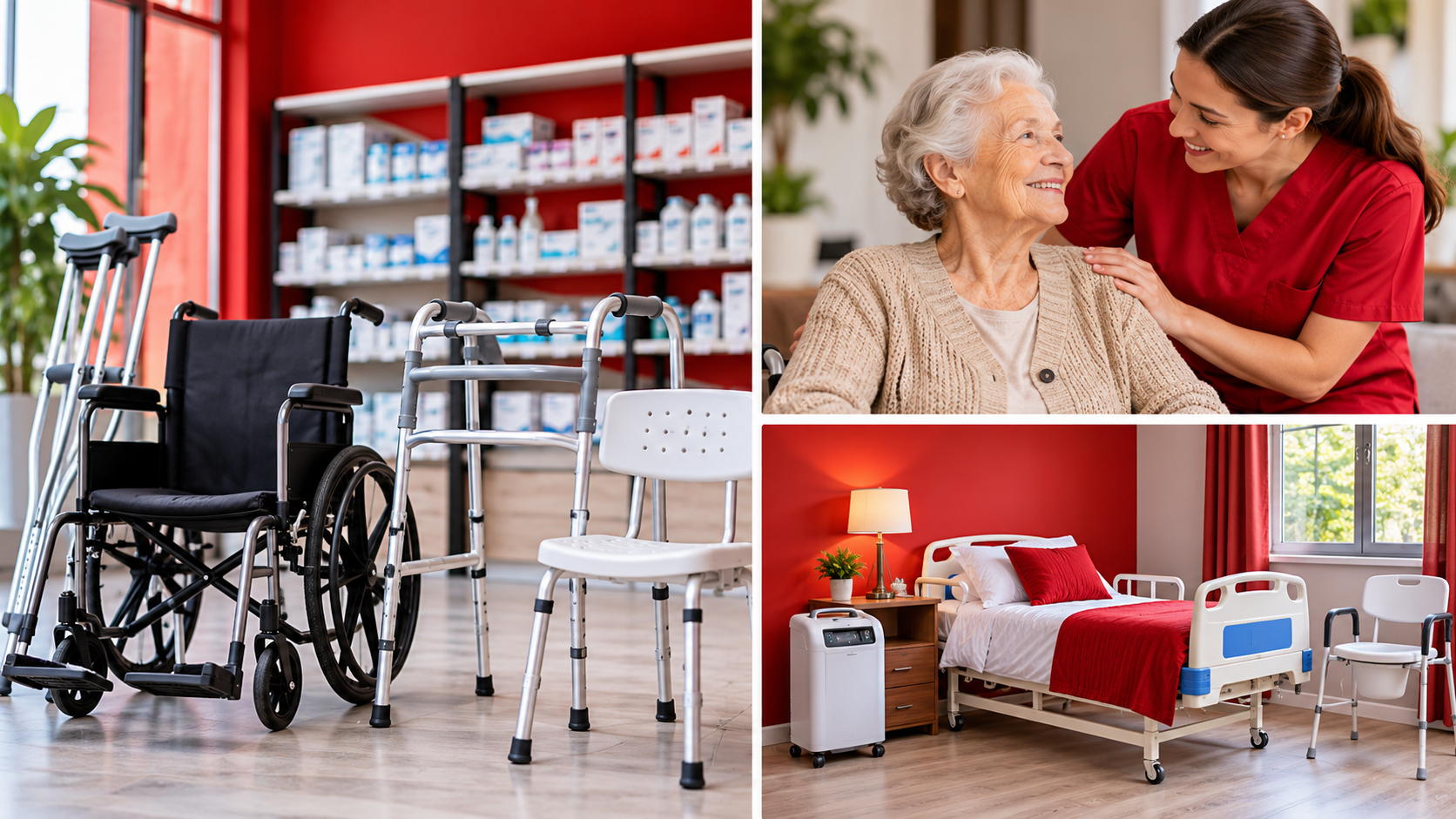
Examples commonly associated with DME include wheelchairs, walkers, hospital beds and certain respiratory devices. Whether a particular model or item is covered depends on the applicable benefit rules, documentation, medical necessity and supplier requirements. A product being useful at home does not automatically mean Medicare or another insurer will reimburse it.
Some products are designed for one time or limited use and need to be replenished. Depending on the person’s care plan, this may include gloves, protective underpads, incontinence products, wound care materials or hygiene items. The correct product depends on the intended use, size, absorbency, skin sensitivity, compatibility and any clinical instructions. Do not substitute one type of dressing, device accessory or treatment related supply for another without appropriate guidance.
Home safety products can make everyday tasks easier for people with reduced mobility or balance. Examples include shower chairs, bath benches, grab bars, raised toilet seats and non slip surfaces. These products are not interchangeable. A shower chair must fit the bathing area and support the user’s weight. A grab bar must be installed into an appropriate structural support using a suitable method. Suction mounted accessories should not be treated as a substitute for properly installed grab bars when a person needs weight bearing support.
A home assessment by a qualified occupational therapist or other appropriate professional can help identify risks and recommend suitable changes. Consider the person’s ability to transfer, reach, stand, sit and move safely. Also consider who will install the product and whether the bathroom layout allows it to be used correctly.
A product should solve a defined practical need. Before contacting a supplier, gather the details that will help the supplier identify the correct item and help the clinician confirm suitability where needed.
Describe what the product needs to do. For example, explain whether a walker is needed for indoor mobility, outdoor use or both. If you need a wheelchair, explain whether it is for occasional transport, daily use, independent propulsion or caregiver assistance. If you are sourcing a hospital bed, clarify whether the request is for positioning, transfers, caregiver access or another prescribed purpose. The supplier can then tell you which options may fit the request, while the treating professional confirms clinical suitability.
Measurements matter. A mobility aid that is too tall or too short can be difficult to use. A wheelchair seat that is too narrow or too wide can affect comfort and positioning. A bed or bathroom aid must fit the available space. Record relevant measurements and confirm the manufacturer’s specifications before buying. Ask about weight capacity, adjustment range, material, cleaning instructions and compatibility with accessories.
Do not rely on a generic product label alone. Ask for the manufacturer, model number, dimensions, weight capacity, included accessories and whether the item is new or refurbished. If the product requires a prescription or specific clinical configuration, confirm that the supplier can provide the exact ordered version. For electrical products, ask about power requirements, backup arrangements where relevant, maintenance and what to do if the equipment stops working.
The home environment affects whether equipment will be useful. Measure doorways, hallways, turning spaces and the area where the item will be used. Consider stairs, elevators, thresholds, flooring, bathroom access and storage. A wheelchair may fit through the front entrance but not the bathroom door. A hospital bed may fit in a bedroom but leave too little room for safe caregiver access. A delivery team needs accurate information about access conditions before a large item arrives.
Home care often involves a combination of equipment and recurring supplies. A family may need mobility support, personal care products, skin protection, continence supplies or equipment that makes transfers easier. The right combination depends on the individual’s care plan and home environment. Avoid buying a large package of products before confirming that the item is appropriate, correctly sized and compatible with the user’s needs.
Walkers, rollators, canes and wheelchairs support different levels and types of mobility. A cane may be appropriate for someone who needs limited support, while a walker provides a wider base of support. A rollator typically includes wheels and may include a seat, but the user must be able to operate its brakes safely. A wheelchair may be required for someone who cannot walk safely for the distance or duration needed. Selection should account for balance, strength, coordination, hand function, posture, transfer ability and the advice of the clinician or therapist.
Ask whether the mobility aid is adjustable and whether it can be folded or transported. For a wheelchair, confirm seat width, seat depth, footrest type, armrest configuration, overall width and weight capacity. For a rollator, confirm brake operation and whether the user can manage it on the surfaces where it will be used. Have a qualified professional check fit and safe use when needed.
Bathrooms can present particular challenges because wet surfaces, transfers and limited space can increase the risk of a fall. A shower chair or bath bench may help a person sit while bathing, but the product must fit the tub or shower and be appropriate for the user’s balance and transfer ability. A raised toilet seat may make sitting and standing easier for some people, but the correct height and attachment method matter.
A grab bar should be selected and installed for the wall structure and intended load. Ask a qualified installer or occupational therapist for advice if you are unsure. Non slip mats can help in some settings but must not create a raised edge or movement hazard. Keep walking routes clear and ensure that mobility aids can be reached without the user stretching or leaning unsafely.
A home hospital bed may be considered when a person needs adjustable positioning or when caregivers need improved access for care. The correct bed depends on the user’s clinical requirements, room layout, mattress compatibility, transfer method and caregiver needs. Ask whether the bed includes the required rails, controls, mattress and accessories, and whether assembly or setup is included.
Pressure redistribution products are selected according to an individual’s risk and care plan. A mattress or cushion is not a substitute for clinical assessment, repositioning guidance or skin monitoring. Ask the treating clinician what product type is appropriate and how it should be used and maintained.
Some people use respiratory devices or monitoring products at home under medical supervision. These products may include nebulizer equipment, oxygen related equipment, CPAP devices or monitoring supplies. The correct device and settings depend on the prescription and clinical assessment. Never change oxygen flow, respiratory settings or prescribed treatment based on a supplier description or an online article.
Before purchasing respiratory equipment, confirm the exact prescribed model or specifications, included accessories, cleaning requirements, maintenance process and what support is available if the equipment fails. Ask whether the supplier can provide the exact item and whether a prescription or payer approval is needed. For urgent breathing difficulty or a medical emergency, contact emergency services rather than waiting for a supply order.
Incontinence and hygiene products vary by absorbency, size, material, fit and intended use. A product that is too small may leak or cause discomfort, while an unsuitable material may irritate sensitive skin. Ask about sample options, pack sizes and the manufacturer’s sizing information. If the user has skin breakdown, persistent irritation or other symptoms, involve a healthcare professional.
Caregivers may also need gloves, disposable wipes, protective bedding or other hygiene products. Check whether the item is intended for the user’s particular care situation and follow product instructions. Store supplies in a clean, dry location and check expiry dates where the product has one.
Healthcare facilities, assisted living settings, home care organizations and other professional buyers may have different purchasing priorities from individual households. They may need repeat orders, consistent specifications, dependable fulfilment, product documentation and a clear process for resolving shortages or substitutions.
Before setting up a purchasing relationship, prepare a list of frequently used products, acceptable manufacturers, pack sizes, expected order frequency and delivery locations. Ask whether the supplier can quote recurring quantities and whether it will notify the buyer before substituting a product. A substitute should not be accepted automatically when product specifications or clinical requirements differ.
A clear enquiry helps the supplier respond accurately. Use the following process when contacting JFB Distributors or another supplier.
| Question | Why it matters |
| Is the exact model available? | Prevents ordering the wrong version or assuming stock is available. |
| Is the item new, refurbished or rented? | Condition and ownership affect price, warranty, use and return terms. |
| What measurements and weight limits apply? | Helps determine whether the product fits the user and the home. |
| Does the item require a prescription? | Some products and payer arrangements require clinical documentation. |
| Does the quote include delivery and setup? | Avoids unexpected charges and confusion about installation. |
| What is the return policy? | Medical equipment may have restrictions once opened or used. |
| Who handles maintenance and repairs? | Clarifies support after delivery. |
| Can you confirm insurance participation for this exact item? | Supplier participation and product coverage are not the same thing. |
JFB Distributors lists its business address as 853 Main St #205, Tewksbury, Massachusetts 01876. Its contact page lists the phone number 617 502 0784 and the email address jfbdistributors@outlook.com. The website also provides an online contact form. The published address is in Tewksbury, so Chelsea customers should contact the company before travelling and confirm whether the required product can be delivered to their address.
When you contact the team, explain the product you need and ask for current availability, pricing, delivery options and any documentation requirements. If you have a model number or a written product recommendation from a healthcare professional, have it available. Do not assume a delivery date, insurance arrangement or setup service until the company confirms it for your order.
Contact page: https://jfbdistributors.com/contact-us/
Chelsea is a compact, densely populated city in Suffolk County just north of Boston. US Census Bureau QuickFacts estimates the city’s population at 40,130 as of July 1, 2025 and reports 13,716 households for the 2020 to 2024 period. The same source reports that 70.6 percent of residents aged five and older speak a language other than English at home. These figures make plain language, clear product descriptions and accessible contact options particularly important for a local information page.
A local supplier page should not assume that every resident has the same transport, language, housing or caregiving circumstances. Some customers may be coordinating care for a family member, while others may be ordering for an organization. A person may need delivery because transporting a large item is difficult. Another may need to know whether an item can be carried up stairs or fitted into a small room. Ask about practical constraints early in the ordering process.
The fact that a supplier is based outside Chelsea does not by itself establish that it can serve every Chelsea address. Confirm service availability, delivery cost and timing directly. Likewise, a listing for a local pharmacy or supplier does not prove that it carries every category of medical equipment. Call ahead and ask about the exact item.
Compare providers using consistent questions rather than relying on broad advertising claims. A supplier may be convenient for recurring disposable products but may not provide specialized equipment. Another may supply large equipment but have different delivery or setup arrangements. The right choice depends on the product and the support required.
| Comparison factor | What to verify |
| Product range | Does the provider supply the exact product category and model? |
| Product knowledge | Can staff explain specifications and direct clinical questions to the appropriate professional? |
| Availability | Is the item in stock or subject to a lead time? |
| Total cost | Are delivery, accessories, setup, rental, taxes and service charges included? |
| Delivery | Does the provider deliver to the Chelsea address and handle access constraints? |
| Returns and warranty | Are the terms clear and provided before payment? |
| Insurance | Is the supplier enrolled or in network where required, and is the item covered? |
| After sales support | Who handles troubleshooting, repairs, maintenance and replacement? |
Coverage is one of the most important details to confirm before buying equipment. A product can be medically useful without being covered by a particular insurance plan. Coverage depends on the item, the person’s benefit, medical necessity rules, documentation, supplier status and any prior authorization requirements.
For Original Medicare, the supplier and item must meet Medicare rules for the benefit to pay. Medicare provides a supplier directory for people looking for medical equipment suppliers, and CMS publishes enrollment requirements for suppliers that bill Medicare for durable medical equipment, prosthetics, orthotics and supplies. Check the current Medicare guidance and ask the supplier whether it is enrolled for the relevant product and location. Do not assume that a supplier accepts Medicare simply because it sells medical equipment.
Medicare Advantage plans and private insurance policies can have their own networks, authorization rules, preferred products and cost sharing. Contact the plan using the number on the insurance card before placing the order. Ask whether the item is a covered benefit, whether a prescription or prior authorization is required, whether the supplier is in network and what amount the member may owe.
MassHealth and other assistance programs have their own eligibility and coverage rules. A person should contact the program or plan administrator to confirm whether a particular item is covered and what documentation is needed. Do not rely on a supplier’s general statement about insurance acceptance as confirmation that a specific order will be paid.
Ask for a written estimate that separates the product price from delivery, setup, accessories, rental charges and any other fees. If insurance may apply, ask what the supplier expects the payer to cover and what the customer may owe. Confirm whether the estimate is final or subject to payer review. Keep the quote, prescription and payment records.
Some equipment may be available to rent, while other products are usually purchased. The right arrangement depends on expected duration of use, product type, availability, total cost, cleaning and maintenance responsibilities, and insurance rules. A rental can be useful for a temporary need, but the total cost can rise if the equipment is required for longer than expected. Buying may make sense for ongoing use, but the purchaser becomes responsible for storage, maintenance and eventual disposal.
Ask for the rental period, renewal terms, pickup arrangements, cleaning standards, damage policy, maintenance process and total expected cost. For a purchase, ask about the warranty, returns, replacement parts and service. If a clinician has prescribed a particular model or type, confirm that the rental or purchase option meets the order.
Delivery is more than moving a box to a front door. Large or complex equipment may need assembly, adjustment or user instruction. Before ordering, establish what the supplier will do and what remains the customer’s responsibility. Ask whether delivery includes carrying the item inside, setup, testing, removal of packaging and instruction on safe operation.
For any equipment that is assembled or adjusted, follow the manufacturer’s instructions and ask for help if a step is unclear. Do not use equipment that appears damaged, unstable or incomplete. Keep manuals and warranty information. Report defects promptly and ask the supplier how to arrange inspection, repair or replacement.
For products with electrical or battery components, understand charging, cleaning and storage requirements. For mobility equipment, check brakes, wheels, fasteners and adjustment points as directed by the manufacturer. For bathroom products, check stability and fit before each use. These basic checks do not replace scheduled maintenance or professional assessment.
Similar product names can describe different sizes, features or intended uses. Confirm the model and specifications rather than assuming that two products are equivalent.
A supplier may accept some insurance plans but that does not mean every item is covered. Verify the benefit, network status, documentation and prior authorization directly with the payer.
A device that cannot fit through a doorway or into the intended room may be difficult or impossible to use. Measure access routes before ordering large equipment.
The displayed product price may not include delivery, setup, accessories or removal of packaging. Ask for the full amount before agreeing to purchase.
Some products affect mobility, positioning, breathing or treatment. A product that appears suitable online may be wrong for a particular person. Ask the treating professional to confirm clinical requirements.
A company may serve Chelsea from another Massachusetts location. Check the actual business address and confirm whether visits, demonstrations or collection are available before travelling.
Start by identifying the exact item and comparing providers that can supply it. Chelsea has supplier listings for selected medical and pharmacy related products, while JFB Distributors lists a Tewksbury address and invites enquiries about its products. Contact any provider to confirm the exact item, current availability, price and delivery to your address.
JFB Distributors has an existing page targeting medical supplies in Chelsea and describes support for customers in the area. Its contact page lists its physical address in Tewksbury. Contact the company directly to confirm whether it serves your specific Chelsea address and whether the product you need can be delivered.
Depending on the care plan, home care may involve mobility aids, bathroom safety products, hygiene supplies, incontinence products, monitoring accessories or durable medical equipment. The correct items depend on the person’s needs and the home environment. Ask a healthcare professional to guide choices that affect treatment, mobility or safety.
Delivery depends on the supplier, product, stock and destination. Ask whether the exact model is available, whether delivery to your Chelsea address is offered, what the charge is and whether setup or fitting is included. A clinician or therapist can help determine the appropriate type and fit.
Medicare coverage depends on the item, medical necessity, benefit rules, documentation and supplier requirements. Not every product sold as a medical supply is covered. Use Medicare.gov and ask the plan or supplier to verify the exact item before purchase.
Use the Medicare supplier directory and confirm that the supplier is enrolled for the relevant item and location. CMS publishes requirements for DMEPOS suppliers. For Medicare Advantage, check the plan’s own network and authorization rules.
Some equipment may be available to rent. Ask about rental duration, renewal, delivery, pickup, cleaning, maintenance, damage terms and total cost. Check insurance rules before choosing a rental arrangement.
Confirm the prescribed bed type, dimensions, weight capacity, mattress compatibility, controls, rails and accessories. Measure the room and access route. Ask whether delivery includes assembly and setup, and who provides service if the bed needs repair.
Consider the user’s balance, transfer ability, weight, bathroom layout and the product’s installation requirements. A qualified professional can assess the space and recommend suitable equipment. Grab bars intended to support body weight must be installed securely into appropriate structural support.
Provide the product name or model, quantity, relevant measurements, intended setting, delivery address and any required specifications. Avoid sending unnecessary private health information through a general contact form. Ask for the full price and written delivery and return terms.
The JFB contact page lists its address as 853 Main St #205, Tewksbury, Massachusetts 01876. It does not list a Chelsea storefront. Contact the company before travelling to confirm available visit or collection arrangements.
The company lists 617 502 0784 and jfbdistributors@outlook.com on its contact page. Its online contact form is available at https://jfbdistributors.com/contact-us/. Confirm current hours and response times directly because they are not specified in the contact details reviewed.
Finding medical supplies in Chelsea, MA starts with a clear understanding of the item, the person who will use it and the setting where it will be used. Compare suppliers on product suitability, availability, full cost, delivery, returns and after sales support. For equipment connected to a medical condition, involve the treating professional and verify insurance requirements before ordering. JFB Distributors lists its Tewksbury address, phone number and email on its contact page. Contact the team to ask whether it can supply the product you need and deliver it to your Chelsea address. Confirm all details before making a purchase.
| Question | Concise answer |
| What is the first step when buying medical supplies in Chelsea? | Identify the exact product and specifications, then confirm availability, suitability, full cost and delivery with the supplier. |
| Where is JFB Distributors located? | JFB Distributors lists 853 Main St #205, Tewksbury, Massachusetts 01876 as its address. |
| How can Chelsea customers contact JFB Distributors? | The contact page lists 617 502 0784 and jfbdistributors@outlook.com, with an online contact form. |
| Does Medicare cover every medical supply? | No. Coverage depends on the item, benefit rules, medical necessity, documentation and supplier requirements. |
| What should be checked before equipment delivery? | Confirm the exact model, access route, delivery cost, setup responsibilities, user instruction and return terms. |