
Finding the right medical supplies in Duxbury, Massachusetts, starts with understanding what the person needs and how the product will be used. A family arranging care at home may be looking for a walker, wheelchair, bathroom safety product, hospital bed, incontinence supplies or everyday medical consumables. A healthcare facility may need a dependable source for products it uses regularly.
Before ordering, identify the exact product or category, check the measurements and specifications, and ask whether a prescription or payer approval is required. Then confirm current availability, total cost and delivery arrangements for the destination address. JFB Distributors has an online medical supply catalogue. Customers in Duxbury should contact the company directly to confirm whether the specific item can be supplied and delivered to their address.

This guide is for Duxbury residents, family caregivers, home care coordinators and organizations comparing medical supplies or durable medical equipment. It explains common product categories, practical selection questions, payment considerations and delivery planning. It is general purchasing information, not a diagnosis or a prescription. Clinical decisions should be discussed with the treating healthcare professional.
Medical supplies is a broad term for products used in care, monitoring, hygiene, protection and recovery. Some are disposable or replaced regularly, such as dressings, gloves, wipes and selected testing supplies. Others are reusable products or equipment.
Durable medical equipment, often called DME, generally refers to reusable equipment intended for a medical purpose and use in the home. Medicare and MassHealth apply specific definitions, coverage criteria and documentation rules. A product being described as medical equipment does not automatically mean a health plan will pay for it.
The buying process can differ by item. Some everyday supplies can be purchased directly. Certain equipment or insurance claims may require a clinician’s order, a letter of medical necessity, prior authorization or a supplier that meets the payer’s requirements. Ask about the exact item rather than assuming one rule applies to every product.
Canes, crutches, walkers, rollators, manual wheelchairs and mobility scooters. Compare the user’s height, balance, grip, turning space, seat width, weight capacity and the surfaces where the device will be used.
Shower chairs, bath benches, raised toilet seats and bedside commodes. Measure the available space and check seat height, width, stability, drainage and weight limits.
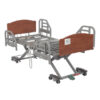
Home care beds, replacement mattresses and therapeutic support surfaces. Confirm dimensions, frame and mattress compatibility, rail compatibility, electrical access and the route through doorways or stairways.
Briefs, protective pads, wipes and cleansing products. Compare size, absorbency, material, skin tolerance, package quantity and recurring supply needs.
Dressings, gauze, tape and related supplies. Follow the treating clinician’s instructions for product type, change frequency and wound monitoring. Do not substitute a different dressing just because it looks similar.
Meters, compatible test strips, lancets and related products. Check the exact device model and strip compatibility, and follow the monitoring plan provided by the care team.
Nebulizer devices and accessories or other respiratory supplies. Confirm compatibility and whether a prescription, setup, training or clinician instruction is required.
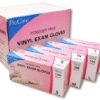
Gloves, hand hygiene products and protective supplies. Select products according to intended use, material, size, fit and quantity.
A Massachusetts business website does not by itself confirm service to every town or address. For Duxbury orders, the important question is whether the supplier can fulfil the specific order at the required address and within the needed timeframe. Confirm this directly before relying on a delivery estimate or arranging care around an item.
For mobility, transfer, bathing and positioning equipment, ask a clinician or qualified equipment professional for guidance when the person’s needs are complex or changing.
Measure doorways, hallways, stairs, bathroom layout and turning clearance. For large equipment, check the entire route from the entrance to the intended room.
Review weight capacity, dimensions, adjustment range, power requirements, compatibility and manufacturer instructions.
Ask who will assemble the item, whether setup is included in the quote and whether the user or caregiver will receive operating instructions.
Request the written return, exchange, warranty, repair and service terms before purchase. Hygiene related and custom products may have restrictions.
For regularly used supplies, ask about pack sizes, reorder timing, substitutions, delivery fees and how to avoid running out.

There is no single price for medical supplies in Duxbury. Costs depend on the product, model, size, quantity, features, accessories, shipping, setup, rental period and payment method. A low purchase price may not be the lowest overall cost if delivery, essential accessories or maintenance are charged separately.
Medicare coverage for durable medical equipment depends on the item, the person’s eligibility, medical necessity, documentation, supplier requirements and other coverage rules. MassHealth has its own regulations and payment guidance. Commercial health plans also have different benefits. Do not assume an item is covered because it appears in a catalogue or because another person received coverage for a similar product.
Before ordering, ask the insurer or programme administrator whether the exact item is covered, whether prior authorization is required, what documentation is needed, whether the supplier must be enrolled or in network, and what deductible, copayment or coinsurance may apply. Ask the supplier to separate the retail price from any estimated reimbursement. Confirm the coverage decision with the payer.
MassHealth says a medical provider may recommend or order durable medical equipment. The DME provider generally needs a prescription or letter of medical necessity for a purchase or rental, and many items require prior authorization. The provider coordinates delivery after the required documentation or approval is in place. MassHealth lists potentially covered categories such as absorbent products, ambulatory equipment, bath and toilet equipment, glucose monitors and diabetic supplies, hospital beds and accessories, mobility equipment, patient lifts, ostomy supplies and support surfaces. Coverage is limited by medical necessity and programme requirements.
Massachusetts published an updated DME regulation effective July 31, 2026. Requirements can change, so members should check the current MassHealth guidance and confirm the rules for the specific product with MassHealth and the enrolled supplier. This article is not a coverage determination.
Medical equipment does not replace a professional assessment when a person’s condition, balance, strength, breathing, skin integrity or ability to transfer is changing. Ask the treating clinician for individual advice. For an urgent or severe medical problem, contact appropriate emergency or clinical services rather than waiting for a supply order.
A reliable purchasing process should make the product and its terms easy to understand. The supplier should identify the exact item being quoted, explain relevant specifications, confirm current availability, state delivery and setup terms, disclose additional charges and explain what documentation may be needed for an insurance enquiry. Customers should be able to ask questions before committing to an order.
Compare suppliers using consistent criteria: product match, availability, transparent pricing, delivery coverage, communication, return terms, warranty support and experience with the type of equipment. A ranking, testimonial or general marketing statement is not proof that a supplier can meet a particular clinical or delivery requirement.
JFB Distributors and Delivery Services describes its focus as providing and delivering medical supplies for healthcare facilities and pharmacies. The company says it aims to offer reliable and cost conscious supplies without compromising quality, and its About Us page describes a goal of helping people manage health related needs through the equipment and supplies it offers. These are the company’s own published statements, not an independent assessment or a guarantee that a particular product is suitable.
The JFB online medical supply catalogue displays products in several categories, including mobility products, commodes, mattresses, beds, gloves, personal care items and other medical supplies. Listings and displayed prices can change. Customers in Duxbury should confirm the exact product, model, stock status, price, delivery availability, setup options and any required documentation directly with JFB before placing an order.
About JFB Distributors: https://jfbdistributors.com/about-us/
Browse the medical supply catalogue: https://jfbdistributors.com/product/
Contact JFB Distributors: https://jfbdistributors.com/contact-us/
Start with the exact product or equipment category, then compare pharmacies, medical supply retailers and specialist DME suppliers. Check product fit, availability, delivery to your address and any documentation requirements before ordering.
JFB describes delivery as part of its business, but the company information reviewed does not establish guaranteed delivery to every address. Contact JFB with your ZIP code and product list to confirm service availability, timing and charges.
The catalogue displays examples such as walkers, scooters, commodes, mattresses, beds, gloves and personal care products. Listings and prices can change, so verify the current product details before purchase.
Medical supplies can include disposable or consumable products used in care. DME generally refers to reusable equipment intended for a medical purpose and home use. Coverage definitions differ by payer and programme.
Requirements depend on the product and whether you are paying privately or seeking insurance coverage. Some products can be purchased directly, while selected equipment or claims may require a clinician’s order or supporting documentation.
Medicare may cover certain eligible durable medical equipment when its requirements are met. Not every supply or product is covered. Check the rules for the exact item, supplier and documentation before purchase.
MassHealth covers certain medically necessary DME for eligible members. Coverage depends on the product, clinical criteria, documentation and programme rules. Many items require prior authorization. Check current guidance before ordering.
Consider the user’s height, weight, balance, strength, hand function, posture, transfer ability, seat or handle dimensions and home layout. A clinician or qualified equipment professional can help assess fit and safe use.
Measure the room and access route, including doorways and turns. Confirm bed dimensions, height range, mattress compatibility, rail options, power access and delivery setup requirements.
Return rules depend on the seller and product. Opened hygiene products, custom items and used equipment may have restrictions. Obtain the written policy before ordering.
Use the official contact page at https://jfbdistributors.com/contact-us/ or call 617 502 0784. The page lists 853 Main St #205, Tewksbury, Massachusetts 01876 and jfbdistributors@outlook.com. Confirm current details directly with the company.
Before comparing products, identify who will use the item, what activity it should support, whether the need is temporary or ongoing, and whether a healthcare professional has specified a product or clinical requirement. Someone who needs support walking indoors may need a different mobility aid from a person who travels over uneven outdoor surfaces. A bathroom aid must fit the room and suit the user’s transfer ability. A disposable supply must match its intended use, size and replacement schedule. A supplier can explain product specifications, but product selection should not replace an individual clinical assessment.
Choose mobility equipment around the person’s movement pattern and environment. For a cane, walker or rollator, check handle height, grip comfort, adjustment range, frame width, turning radius, brakes, wheels and the manufacturer’s weight limit. For a wheelchair, consider seat width and depth, footrest position, armrest style, cushion compatibility, folding needs and transport. A transfer aid or patient lift requires careful attention to compatibility, sling type, caregiver training, room clearance and the person’s ability to participate in the transfer. Ask a physical or occupational therapist or another appropriately qualified professional to assess fit and safe technique where needed.
Measure the tub or shower opening, floor area, toilet height, door swing and distance between fixtures. Check whether a product is designed for use inside a tub, over a tub or beside a toilet. Confirm whether permanent installation is needed and follow the manufacturer’s installation requirements. A suction accessory is not automatically equivalent to a properly installed grab bar and should not be assumed to support a person’s full body weight unless the manufacturer specifically rates it for that purpose. If someone has fallen, struggles to stand or needs hands on assistance, request a qualified home safety assessment before choosing equipment.
Match home care beds and support surfaces to the person’s clinical needs, room dimensions and caregiving routine. Confirm the bed footprint, mattress dimensions, height range, head and knee movement, rail compatibility, electrical requirements and delivery route. A mattress described as therapeutic or pressure reducing should not be assumed to prevent or treat every pressure injury. The appropriate surface depends on mobility, skin condition, risk factors and the care plan. Follow professional guidance for repositioning, skin checks and product use. Before purchase, clarify who assembles the bed, whether existing equipment must be removed, what happens if the equipment fails and how repairs are arranged.
People who use gloves, dressings, absorbent products, wipes, ostomy supplies, catheter supplies or diabetes testing products may need a repeat order routine. Estimate normal use over a defined period and consider the supplier’s actual lead time and the product’s shelf life. Avoid overbuying items that may expire, degrade or become unsuitable after a care plan change. Keep the exact product name, size, model, package quantity and compatibility details in a reorder list. If a product is prescribed or covered through a benefit, check whether a change in brand, size or quantity requires updated documentation or approval. Store products according to manufacturer instructions and check packaging for damage or expiration dates.
A product description should identify the manufacturer, model or item number, intended use, dimensions, materials, weight capacity where relevant, cleaning instructions, warnings, warranty and included accessories. For powered products, confirm voltage and charging requirements, battery replacement, operating controls and what to do if power is interrupted. For products that contact skin or bodily fluids, review material information, intended use and disposal instructions. Keep the instruction manual and order confirmation. If a description is unclear, ask the supplier to explain it in writing. Broad phrases such as premium or professional quality are not a substitute for specific product information.
Delivery planning is part of product selection, especially for beds, lift systems, wheelchairs and bulky support surfaces. Give the supplier the full delivery address and ask whether it is within the current service area. Explain whether the home has stairs, narrow hallways, elevators, a long walkway, limited parking or other access constraints. Ask whether the quoted service is curbside delivery, threshold delivery, room of choice delivery or installation. These services are different. Confirm delivery charges, appointment windows, who must be present, whether packaging removal is included and whether existing equipment will be taken away. Do not arrange a hospital discharge or care transition around a delivery date that has not been confirmed.
If Medicare or a private health plan may pay for an item, verify coverage before purchase. Identify the exact item and its product or billing description. Ask the clinician whether an order or medical record documentation is needed. Contact the plan to check coverage criteria, prior authorization, supplier network or enrollment requirements, rental versus purchase rules, deductibles and coinsurance. Ask the supplier whether it participates in the relevant programme and whether it will submit a claim or expects private payment. Keep a record of the representative’s name, date, reference number and instructions. A product in an online catalogue does not establish coverage, and a supplier’s ability to sell an item does not prove it can bill a particular insurer for that item.
Some equipment may be available to rent, purchase or obtain through a benefit programme. Rental may be useful when the need is temporary. Purchase may make sense for long term use, but consider maintenance, replacement parts, warranty and eventual disposal. Ask whether rental fees can be credited toward purchase, what happens if the item is returned early and who is responsible for damage beyond normal wear. For equipment already in use, ask whether repair is practical and whether replacement parts remain available. If an insurer or MassHealth covers the item, confirm repair and replacement rules before paying privately.
Request the same model or equivalent specification from each supplier. If a substitute is proposed, ask why and compare dimensions, functions, included accessories and warranty rather than product names alone. Record whether the quote has an expiry date and whether taxes, shipping, setup or service fees are extra. For insurance related purchases, separate the retail quote from estimated reimbursement and ask the payer to confirm the member’s responsibility. A written comparison helps families make decisions based on suitability and total cost, not simply the first price displayed.
Caregivers can reduce confusion by recording the product name, model, size, purchase date, supplier, serial number where applicable, warranty expiry, cleaning instructions, replacement schedule and repair contact. For consumables, record package quantity, normal weekly use and reorder point. Keep prescriptions, letters of medical necessity, prior authorization notices and receipts together while protecting private medical information. Review the record after a hospital discharge, change in care plan, move or change in the person’s abilities. Do not pass on used products when hygiene or safety rules prohibit reuse.
Confirm that the item number and description on the quote match the requested product. Check quantity, size, accessories and configuration where these affect function. Ask whether the product is new, refurbished or rental equipment. Verify deposit and cancellation rules, delivery address, delivery method, estimated timing and setup responsibilities. For items requiring an order or authorization, establish who will obtain and submit the documents and whether shipment will wait for approval. Request written return and warranty terms. If an answer is unclear, resolve it before committing to the purchase.