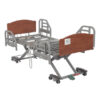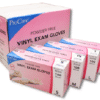

If you are looking for medical supplies in Gardner, MA, start by identifying the exact product or equipment you need. Then compare providers based on product range, quality, support, ordering options, and service area. Common categories can include everyday medical supplies, home-care products, mobility equipment, respiratory supplies, diabetic supplies, hygiene and incontinence products, disposable gloves, beds and mattresses, and durable medical equipment (DME). Requirements for prescriptions, insurance, prior authorization, delivery, setup, and repairs vary by product and payer.
| Contact JFB Distributors Call 617-502-0784 to discuss your medical-supply requirements, product availability, and service options. The verified business address is 853 Main St #205, Tewksbury, Massachusetts 01876. |
A search for medical supplies in Gardner can represent many different needs. A family may need routine home-care products. A caregiver may be preparing a home after a hospital stay. A healthcare professional may need a specific device or consumable. A clinic, facility, or organization may need recurring quantities of supplies for ongoing operations.
Because medical supplies are not one single product category, the best buying process begins with the exact need. The product name, intended use, size, model, quantity, compatibility, and delivery requirements can all affect the right choice. For some DME and specialized supplies, documentation or payer requirements may also apply.
Gardner-area buyers can evaluate local and regional providers without assuming that every supplier has the same inventory or service area. A good supplier-selection process focuses on what the provider can verify: the exact product, current availability, ordering requirements, delivery options, support, and applicable payer information.
Medical supplies generally include consumable or disposable products and devices used for treatment, monitoring, recovery, disability support, hygiene, or home care. Massachusetts’ current MassHealth DME regulations define medical supplies as consumable or disposable supplies or devices for home use that are necessary to treat a specific illness, injury, disease, or disability and meet specified program criteria.
Durable medical equipment, or DME, is different. Medicare defines DME as equipment that can withstand repeated use, is used for a medical reason, is generally useful because of illness or injury, is used in the home, and is expected to last at least three years. Medicare’s examples include canes, commode chairs, CPAP therapy, crutches, glucose monitors and related supplies, hospital beds, oxygen equipment, walkers, wheelchairs, and scooters.
| Category | Examples | Main buying consideration |
| Consumable medical supplies | Dressings, gauze, ostomy and catheter supplies, test-related supplies | Exact product, quantity, compatibility, recurring use |
| Personal-care supplies | Incontinence, hygiene, cleansing and bathing products | Size, absorbency, material, comfort, recurring supply |
| Mobility equipment | Canes, crutches, walkers, wheelchairs, scooters, transfer aids | Fit, measurements, weight capacity, home environment |
| Respiratory equipment | CPAP/BiPAP, oxygen equipment, nebulizers, respiratory supplies | Prescription/documentation, compatibility, training, support |
| Home-care DME | Hospital beds, support surfaces, bath/toilet equipment | Dimensions, setup, medical necessity, payer rules |
| Infection-control products | Disposable gloves and related protective products | Material, size, intended use, quantity |
Home medical supplies can range from routine consumables to equipment used for recovery, disability support, monitoring, and daily care. The appropriate category depends on the person’s needs and the care setting.
Before ordering: Identify the exact product, size, quantity, intended use, and recurring need before ordering.
Mobility equipment can include canes, crutches, walkers, rollators, manual wheelchairs, power wheelchairs, scooters, lift chairs, transfer aids, and related accessories.
Before ordering: Measure the user and home. Check weight capacity, doorway width, turning space, storage, transportation, and whether fitting or setup is needed.
Respiratory products can include CPAP and BiPAP equipment, oxygen equipment, nebulizers, home ventilators, tracheostomy supplies, and airway-clearance equipment. MassHealth lists several of these categories in its current member guidance.
Before ordering: Confirm the exact device, documentation, payer rules, compatible accessories, recurring supplies, and support.
Diabetic supplies may include glucose monitors, test strips, lancets, continuous glucose-monitoring products, and related accessories.
Before ordering: Confirm the exact product or model, quantity, refill schedule, and applicable payer rules.
Care products can include adult briefs, pull-ups, absorbent products, cleansing wipes, washcloths, and other personal-care supplies.
Before ordering: Compare size, absorbency, material, package size, and recurring-order requirements.
Disposable gloves are used in home care, healthcare, caregiving, and facility environments. Product selection depends on intended use, material, size, and other specifications.
Before ordering: Confirm the material, size, quantity, and intended application before ordering in bulk.
Home-care beds and support surfaces can help meet positioning, accessibility, pressure-management, or caregiver needs when clinically appropriate.
Before ordering: Check room dimensions, doorway access, weight capacity, mattress compatibility, electrical needs, setup, and payer requirements.
Caregivers may need a combination of hygiene, mobility, safety, positioning, and recurring consumable supplies.
Before ordering: Create a complete supply list rather than purchasing isolated items without considering the daily routine.
A strong provider comparison should look beyond the advertised price. The provider should be able to explain what is available, what information is required, how ordering works, and what support is available after the sale.
Can the provider handle the exact product category you need?
Can the provider confirm whether the exact item or model is currently available?
Can the provider explain dimensions, compatibility, capacity, accessories, or other relevant specifications?
Is a prescription, medical order, letter of medical necessity, or prior authorization needed?
If you intend to use insurance, can the provider explain whether it participates with your payer and what should be confirmed?
Can the provider confirm current delivery or service options for your Gardner address?
For technical or large equipment, is setup, fitting, or training available?
Who handles repairs, replacement parts, warranty issues, and replacement equipment?
Can you reach someone who can answer product and order questions clearly?
Can routine consumables be reordered efficiently when supplies run low?
| Factor | Questions to ask | Why it matters |
| Product range | Does the supplier handle the category and exact item I need? | Avoids unnecessary searching and unsuitable substitutions. |
| Availability | Is the exact product currently available? | Inventory changes and should be confirmed before ordering. |
| Quality/specifications | Can the supplier provide product details? | Correct specifications affect suitability and compatibility. |
| Insurance | Does the supplier participate with my payer? | Coverage and supplier participation are separate issues that both matter. |
| Documentation | What records are needed? | Missing documentation can delay an order or claim. |
| Delivery | Can the supplier serve my Gardner address? | Service area and delivery terms vary. |
| Setup | Is setup or training included? | Important for large or technical equipment. |
| Repairs | Who handles problems after delivery? | Daily-use equipment may require ongoing support. |
| Recurring supplies | How are refills ordered? | A reliable reorder process helps prevent shortages. |
| Total value | What is included beyond the product price? | Delivery, setup, warranty, and support can affect overall value. |
Insurance coverage depends on the exact product, the person’s eligibility, medical necessity, the applicable benefit, supplier requirements, authorization rules, and the specific plan. A medical product is not automatically covered simply because it is described as a medical supply.
Medicare Part B covers medically necessary DME when the beneficiary is eligible and a doctor or other healthcare provider orders the equipment for use in the home. Medicare currently lists examples including canes, commode chairs, CPAP therapy, crutches, glucose monitors and related supplies, hospital beds, oxygen equipment, walkers, wheelchairs, and scooters. Medicare also advises beneficiaries to check that DME suppliers are enrolled and to ask whether they participate in Medicare or accept assignment.
After the Part B deductible, Medicare generally requires a beneficiary to pay 20% of the Medicare-approved amount when the supplier accepts assignment. The exact financial responsibility can vary based on the item, supplier, other insurance, and applicable rules.
MassHealth has separate coverage and authorization rules. Current Massachusetts guidance lists categories such as absorbent products, crutches, canes, walkers, wheelchairs, diabetic supplies, medical supplies such as ostomy and catheter products, oxygen equipment and supplies, CPAP/BiPAP, home ventilators, tracheostomy equipment and supplies, hospital beds, patient lifts, and support surfaces.
| Coverage question | What to verify |
| Eligibility | Is the person eligible for the relevant benefit? |
| Exact item | Is this specific product covered under the applicable benefit? |
| Medical necessity | What documentation establishes medical necessity, if required? |
| Prior authorization | Does the payer require authorization before the order? |
| Supplier participation | Is the supplier enrolled or participating with the payer when required? |
| Patient responsibility | What deductible, coinsurance, copay, or non-covered amount may apply? |
| Rental/purchase | Does the payer determine whether the equipment is rented, purchased, or handled another way? |
| Important Never promise insurance coverage. Verify the exact item, payer, eligibility, supplier participation, documentation, authorization, and expected patient responsibility before ordering expensive equipment. |
Documentation varies by product and payer. Depending on the situation, the ordering process may involve a prescription, medical order, letter of medical necessity, clinical information, measurements, insurance information, or prior authorization.
MassHealth’s current DME guidance and provider materials describe product-specific coverage and prior-authorization requirements. Because these rules can change, the current payer guidance should be checked at the time of ordering.
Some DME may be purchased, rented, or handled under payer-specific arrangements. Medicare explains that different kinds of DME can have different rental and purchase rules. The right arrangement depends on the equipment, the payer, and the expected period of use.
| Factor | Buying | Renting | Question to ask |
| Ownership | Generally becomes the buyer’s equipment | Ownership may remain with the supplier/payer during the rental period | Who owns it at the end? |
| Upfront cost | May be higher initially | May spread costs over time | What is the total cost? |
| Length of need | Can suit long-term use | Can suit temporary needs or payer rules | How long will it likely be needed? |
| Repairs | Check warranty and support | Ask what maintenance is included | Who handles repairs? |
| Payer rules | May have purchase requirements | Some DME is rented under program rules | Does the payer determine rental or purchase? |
| Replacement | Ask about replacement policy | Ask what happens if rental equipment fails | What is the process if it stops working? |
For home medical equipment, delivery is only one part of the process. The product must also fit the home, be used according to instructions, and have a clear support path if something goes wrong.
The FDA emphasizes safe and effective home use of medical devices. Its home-health checklist recommends understanding how a device works, asking the doctor or supplier questions, checking whether the home is suitable for the device, keeping instructions available, paying attention to alarms and error messages, and contacting the supplier when help is needed.
| Area | What to confirm before ordering |
| Delivery | Does the supplier currently deliver to your Gardner address? |
| Home access | Will the equipment fit through doors, stairs, elevators, and into the intended room? |
| Electrical needs | Does the equipment require power or other home connections? |
| Setup | Is assembly or setup included? |
| Training | Will the user or caregiver receive instructions where appropriate? |
| Maintenance | What routine maintenance or replacement components are needed? |
| Repairs | Who should be contacted if the equipment fails? |
| Returns | What is the current return or exchange policy? |
For Gardner-area customers, service-area confirmation is an important part of choosing a supplier. A supplier’s physical address does not by itself prove that the company delivers to every Massachusetts community.
JFB Distributors’ verified business address is in Tewksbury, Massachusetts. The safest local wording is to invite Gardner customers to contact JFB and confirm current product availability, delivery, and service options for their specific address.
If an in-person consultation is appropriate, our address is 853 Main St #205, Tewksbury, Massachusetts 01876. Customers should confirm current availability and appointment or consultation details before travelling.
| Gardner customer next step Tell JFB Distributors what product you need, your Gardner ZIP code, and whether you have insurance or documentation requirements. Ask the team to confirm current availability and service options before placing an order. |
Home-care buyers can reduce last-minute problems by building a supply list around daily routines. Instead of asking only, ‘What medical supplies do I need?’, consider what tasks occur each day, which products are consumed, which equipment needs maintenance, and what must be available for emergencies or unexpected delays.
| Supply-planning area | Questions to answer |
| Daily care | What products are used every day? |
| Mobility | What equipment is needed for walking, transfers, or movement? |
| Hygiene | What cleansing, bathing, incontinence, or personal-care products are used? |
| Respiratory care | What device and replacement accessories are required? |
| Storage | Where will supplies be stored safely and conveniently? |
| Reordering | How quickly are products consumed? |
| Backup | What items should be kept in reserve? |
| Support | Who is contacted if equipment fails? |
Caregivers often manage product selection, ordering, delivery, storage, and day-to-day use. A product that appears suitable online may still be difficult to use in the actual home.
Measure doorways, bathroom clearances, bed areas, turning spaces, and storage locations for larger equipment.
Consider the person’s strength, mobility, balance, height, weight, grip, cognition, and ability to operate the equipment.
Track how quickly consumables are used and reorder before the supply becomes critical.
For technical equipment, ask who provides instructions and what to do if the user has questions.
Store prescriptions, insurance documents, invoices, product information, and warranty records where they can be found easily.
Know who to call if equipment breaks and ask about replacement parts or temporary alternatives when applicable.
Gardner-area clinics, care organizations, facilities, offices, and other organizations may need medical supplies in recurring quantities. Procurement is easier when specifications and ordering rules are defined in advance.
Medical-supply prices can vary by product specifications, quantity, brand, payer arrangements, and supplier. Because pricing is time-sensitive, this article does not publish unsupported prices or claim that one supplier is always the least expensive.
Instead, compare total value. Delivery, setup, accessories, recurring replacement items, warranty, repairs, and support can all affect the practical cost of an equipment purchase.
| Cost factor | What to compare |
| Product price | Price for the exact item, package, or case |
| Quantity | How many units are included? |
| Delivery | Is delivery or shipping included? |
| Setup | Is assembly or installation included? |
| Accessories | Are required accessories included? |
| Recurring supplies | How often will replacement items be needed? |
| Warranty/support | What help is available after purchase? |
| Insurance | What amount may remain after payer processing? |
Insurance coverage must be verified for the exact product and payer.
Requirements vary by product and payer.
Compare total value, including delivery, setup, accessories, warranty, and support.
Large or fitted equipment must work in the actual home environment.
Technical equipment may require specific accessories and replacement components.
Recurring consumables should be reordered before the remaining stock becomes critical.
Confirm current service or delivery availability for the exact address.
Inventory, hours, pricing, service areas, and insurance participation can change.
Individual medical decisions should be discussed with the appropriate healthcare professional.
A simple decision framework can make a medical-supply search faster and more accurate. Start with the need, identify the exact product, verify documentation and payer requirements, confirm availability and service area, and then compare support and total value.
| Step | Action | What to prepare |
| 1 | Define the need | Intended use, user, care setting, clinical recommendation if applicable |
| 2 | Identify the product | Exact product name, model, size, quantity, compatible accessories |
| 3 | Check documentation | Prescription, medical order, letter of medical necessity, or other records if required |
| 4 | Check coverage | Payer name, eligibility, supplier participation, prior-authorization questions |
| 5 | Confirm availability | Exact item and current availability |
| 6 | Confirm service | Gardner ZIP code, delivery, setup, fitting, training |
| 7 | Compare support | Repairs, replacement parts, warranty, recurring orders |
| 8 | Confirm cost | Product cost plus delivery, setup, accessories, and expected patient responsibility |
Our contact for the company is at 853 Main St #205, Tewksbury, Massachusetts 01876, with phone number 617-502-0784.
For Gardner-area inquiries, the most useful approach is to contact JFB with the exact product or equipment requirement and ask the team to confirm current availability and service options. This keeps the local page accurate without making unsupported claims about inventory, pricing, insurance participation, or a Gardner storefront.
| Contact JFB Distributors 617-502-0784 | 853 Main St #205, Tewksbury, Massachusetts 01876 Tell the team what you need, your Gardner ZIP code, and any insurance or documentation requirements. |
What medical supplies can I find for home care in Gardner?
Home-care supplies can include routine consumables, hygiene and incontinence products, disposable gloves, wound-care items, mobility equipment, respiratory supplies, beds and mattresses, and other DME. Exact availability depends on the supplier and current inventory.
Where can I find medical supplies near Gardner, MA?
You can compare local and regional medical-supply providers, pharmacies, specialty suppliers, and online sources. Compare exact product availability, service area, delivery, documentation, payer requirements, and support.
How do I contact JFB Distributors?
Call 617-502-0784 . The verified business address is 853 Main St #205, Tewksbury, Massachusetts 01876.
What should I ask before ordering medical equipment?
Ask whether the exact item is available, what documentation is required, whether insurance applies, whether the supplier can serve your Gardner address, whether delivery and setup are included, and who handles repairs and replacement parts.
How do I compare medical-supply companies?
Compare product range, exact availability, specifications, ordering requirements, payer participation, delivery, setup, recurring orders, repairs, warranty, communication, and total value.
Are medical supplies covered by insurance?
Coverage depends on the exact product, payer, eligibility, medical necessity, supplier requirements, and plan rules. Do not assume coverage because a product is described as medical.
Do I need a prescription for medical equipment?
It depends on the product and payer. Some DME and specialized supplies have documentation requirements, while not every medical product follows the same rule.
Does Medicare cover durable medical equipment?
Medicare Part B covers medically necessary DME for eligible beneficiaries when applicable requirements are met. Medicare lists items such as canes, commode chairs, CPAP therapy, crutches, hospital beds, oxygen equipment, walkers, wheelchairs, and scooters among covered DME categories.
Does MassHealth cover DME?
MassHealth covers medically necessary DME and supplies for eligible members under its program rules. Current guidance lists categories such as mobility equipment, hospital beds, diabetic supplies, absorbent products, oxygen equipment, CPAP/BiPAP, and support surfaces.
Can a Tewksbury supplier serve customers in Gardner?
A Tewksbury supplier may serve customers in other Massachusetts communities, but delivery and service areas should be confirmed directly. Do not infer service availability solely from the supplier’s address.
Can medical equipment be rented?
Some DME may be rented, purchased, or handled through payer-specific arrangements. Medicare explains that different DME categories can have different rental and purchase rules.
Can medical supplies be delivered to Gardner?
Delivery may be available from some suppliers, but service areas vary. Confirm delivery to your exact Gardner address or ZIP code before ordering.
What if the equipment I need is unavailable?
Ask whether the exact item can be ordered, whether an appropriate alternative exists, and whether the alternative is compatible and acceptable for the intended use. Confirm payer requirements before accepting a substitute.
What should caregivers consider when buying medical supplies?
Caregivers should consider the user’s needs, measurements, home layout, storage, cleaning, training, recurring supply needs, delivery, and the process for repairs or replacement.
How do I choose the correct size or model?
Use the manufacturer’s specifications, relevant measurements, and any clinical recommendation. For mobility, positioning, or respiratory equipment, ask the appropriate healthcare professional or qualified supplier for guidance.
Finding the right medical supplies in Gardner, MA starts with a clear understanding of the need. Routine medical supplies, home-care products, mobility equipment, respiratory equipment, diabetic supplies, hygiene and incontinence products, disposable gloves, beds and mattresses, and other DME can all have different specifications and ordering requirements.
A reliable buying process is straightforward: identify the exact product, confirm availability, ask about documentation, verify insurance or payer requirements, confirm delivery and setup, and understand repairs and replacement policies. Do not assume that a medical product is automatically covered or that every supplier has the same inventory or service area.
Need medical supplies in Gardner, MA? Contact JFB Distributors at 617-502-0784 to discuss your requirements, product availability, and service options. |