
Medical supplies in Framingham, MA can include everyday home-care products, mobility equipment, respiratory supplies, diabetic supplies, incontinence and hygiene products, infection-control supplies, beds and mattresses, caregiver supplies, and other durable medical equipment. The right product depends on the user’s needs, the intended setting, the exact specifications, and any applicable payer or documentation rules. Before ordering, confirm the product, size or model, availability, delivery requirements, and whether insurance or a healthcare provider’s documentation is involved.
| Need assistance? Call JFB Distributors at 617-502-0784 to discuss your medical supply requirements, product questions, availability, and ordering needs. Provide the exact item you are looking for and explain that the delivery or service need is in Framingham. |
Searching for medical supplies in Framingham can mean very different things. A family may need basic home-care products. A caregiver may be preparing a home for someone returning from a hospital stay. A healthcare organization may need recurring supplies in predictable quantities. A business or facility may need infection-control products or equipment for staff and clients.
Because the term medical supplies covers a wide range of products, the first step is to define the actual need. The product name, intended use, size, model, quantity, compatibility, and delivery requirements can all affect the purchasing decision. For certain equipment, a prescription, letter of medical necessity, prior authorization, or other documentation may also be relevant.
Framingham is part of the MetroWest Massachusetts market and has a broad healthcare and business ecosystem. The City of Framingham’s economic-development information identifies health care, life sciences, biotech and medical devices among the city’s business sectors. That makes local context relevant when businesses, families, caregivers, and organizations search for healthcare-related products and services. The existence of a local healthcare market, however, does not establish that any particular supplier carries a particular product or accepts a particular insurance plan.
Medical supplies generally include products used for treatment, monitoring, recovery, home care, disability support, hygiene, or related healthcare needs. Massachusetts MassHealth regulations distinguish medical supplies as consumable or disposable supplies or devices for home use that are necessary for the treatment of a specific illness, injury, disease, or disability, subject to program requirements.
Durable medical equipment, or DME, is a related but different category. DME is equipment intended for repeated use. Medicare uses specific criteria for DME, including that the equipment can withstand repeated use, is used for a medical reason, is generally useful because of illness or injury, is used in the home, and is expected to last at least three years.
| Category | Examples | Typical purchasing question |
| Consumable medical supplies | Dressings, gauze, test-related supplies, ostomy or catheter products | What exact product and quantity are needed? |
| Personal-care supplies | Incontinence, hygiene, bathing and daily-care products | What size, absorbency, material, or format is appropriate? |
| Infection-control supplies | Disposable gloves and other protective or cleaning-related products | What material, size, quantity, and intended use apply? |
| Mobility equipment | Walkers, canes, crutches, wheelchairs, transfer aids | Will the equipment fit the user and the home? |
| Respiratory equipment | CPAP/BiPAP, oxygen equipment, nebulizers and related supplies | What product, documentation, compatibility, and ongoing supply needs apply? |
| Home-care DME | Beds, mattresses/support surfaces, bathroom equipment | What measurements, setup, and medical-necessity requirements apply? |
Home-care supplies are products used to support day-to-day care outside a hospital or other institutional setting. Depending on the situation, this may include disposable products, wound-care supplies, hygiene products, incontinence supplies, ostomy-related products, catheter-related products, and other consumables.
Before ordering: Ask about product specifications, quantity, recurring ordering, storage, and whether the item is compatible with the care plan.
Mobility equipment can include canes, crutches, walkers, rollators, manual wheelchairs, power wheelchairs, scooters, transfer aids, and lift chairs. The correct selection should reflect the user’s mobility level, strength, balance, height, weight, grip, and home environment.
Before ordering: Measure the user and relevant areas of the home. Ask about fitting, weight capacity, accessories, transportation, delivery, and maintenance.
Respiratory products can include CPAP and BiPAP equipment, oxygen equipment, nebulizers, ventilatory equipment, airway-clearance products, and related consumables. Massachusetts MassHealth materials list oxygen equipment and supplies, CPAP/BiPAP, home ventilators, tracheostomy equipment and supplies, and airway-clearance equipment among respiratory categories.
Before ordering: Confirm the exact device, prescription or medical-necessity requirements, payer rules, compatible accessories, recurring supplies, and support.
Diabetic supplies can include glucose monitors, test strips, lancets, continuous glucose-monitoring products, and related accessories. The exact product and payer rules determine what may be available or covered.
Before ordering: Ask about the exact brand or model, recurring supply quantities, compatibility, prescription requirements, and insurance rules.
Incontinence and personal-care supplies can include adult briefs, pull-ups, absorbent products, washcloths, wipes, cleansing products, and other hygiene items. Size and product design matter because these products are used frequently.
Before ordering: Compare size, absorbency, material, skin-care needs, quantity, packaging, and recurring-order options.
Disposable gloves are common in home care, healthcare, caregiving, and facility environments. Product choice can depend on material, size, intended use, and required protection.
Before ordering: Confirm glove material, size, powder or powder-free requirements where relevant, quantity, and intended use before placing a large order.
Home-care beds and support surfaces can be important when a person’s needs require specialized positioning, pressure management, or easier caregiver access. Product selection should be based on the user’s needs and the physical environment.
Before ordering: Confirm dimensions, weight capacity, mattress compatibility, electrical needs, room access, setup, and applicable medical-necessity or payer requirements.
Caregivers may need a combination of personal-care, mobility, hygiene, safety, and organizational supplies. The best approach is often to build a list around the person’s daily routine rather than buying products individually without a plan.
Before ordering: Create a recurring supply list, track quantities, identify replacement intervals, and establish a reliable ordering process.
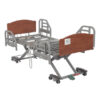
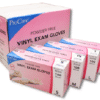
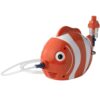
Our website lists several products, including Procure Vinyl Gloves, BodyMed adult incontinence washcloths/wipes, a Fish Pediatric Compressor Nebulizer, Prime Care Bed, and Span Pressure Guard APM2 Mattress.
These examples illustrate the breadth of medical-supply categories rather than a promise of current stock. Product availability, specifications, pricing, and delivery options should be reconfirmed directly with JFB Distributors immediately before publication or ordering.
| Example product | Category | What to verify before ordering |
| Procure Vinyl Gloves | Disposable / infection-control supply | Size, quantity, material/specification, current availability |
| BodyMed adult incontinence washcloths/wipes | Personal care / hygiene | Product type, pack size, intended use, current availability |
| Fish Pediatric Compressor Nebulizer | Respiratory equipment | Exact model, prescription/documentation requirements, compatibility, current availability |
| Prime Care Bed | Home-care bed / DME | Dimensions, weight capacity, accessories, setup, payer requirements, current availability |
| Span Pressure Guard APM2 Mattress | Support surface / mattress | Compatibility, dimensions, user requirements, payer rules, current availability |
A strong supplier decision is based on more than proximity or advertised price. A useful provider should be able to answer product questions clearly, confirm availability, explain ordering requirements, and provide accurate information about delivery and support.
Ask for the exact product name, model, size, and quantity. Do not assume a supplier carries every product in a category.
Confirm dimensions, materials, weight limits, compatibility, accessories, and other technical specifications that affect suitability.
If insurance is involved, ask whether the supplier works with the specific plan and whether the exact product can be billed. Never assume coverage.
Ask whether a prescription, medical order, letter of medical necessity, clinical documentation, or prior authorization is required.
Confirm whether delivery is available to the Framingham address and whether large equipment requires special access or scheduling.
For technical equipment, ask whether setup, fitting, demonstrations, or training are included.
Ask who handles repairs, replacement parts, warranty issues, and replacement equipment.
For consumables, ask how often items should be reordered and whether standing or recurring orders are available.
Choose a supplier that can clearly explain what happens if the product is unavailable, damaged, incompatible, or needs replacement.
When comparing suppliers, use the same questions for each company. A simple comparison framework prevents the decision from becoming a price-only exercise.
| Comparison factor | Questions to ask | Why it matters |
| Product range | Does the supplier handle the product category I need? | A supplier’s category expertise may matter more than a broad but vague catalog. |
| Current availability | Is the exact item available now or can it be ordered? | Availability affects timing and alternatives. |
| Specifications | Can the supplier explain compatibility and technical requirements? | Incorrect specifications can make equipment unusable. |
| Delivery | Does the supplier deliver to my Framingham address? | Large or urgent items may require a practical delivery solution. |
| Setup/training | Is setup or instruction available? | Technical equipment may require more support than a routine consumable. |
| Insurance | Does the supplier work with my payer? | Coverage and supplier participation can affect cost and ordering. |
| Support | Who handles repairs and replacement parts? | After-sale support can be important for daily-use equipment. |
| Recurring orders | Can I reorder consumables easily? | Reliable recurring supply reduces last-minute shortages. |
| Total value | What will I receive for the total cost? | Price alone may not reflect delivery, setup, warranty, or support. |
Insurance coverage depends on the specific payer, the person’s eligibility, the exact product, medical necessity, supplier requirements, and plan rules. The safest approach is to verify the exact item before ordering rather than assuming that a product described as medical will be covered.
Original Medicare generally does not cover common medical supplies that people typically use at home, such as bandages and gauze. However, Medicare Part B covers certain medically necessary DME and specific supply categories when applicable requirements are met. Medicare also advises consumers to check whether doctors and DME suppliers are enrolled and whether suppliers participate or accept assignment.
For example, Medicare currently lists canes as covered DME when the applicable requirements are met, and its CPAP guidance describes coverage and rental rules for medically necessary CPAP equipment. Medicare also lists oxygen equipment and accessories as a covered DME category for eligible beneficiaries when requirements are met.
MassHealth has separate rules. Current Massachusetts guidance lists categories such as absorbent products, ambulatory equipment, bath and toilet equipment, glucose monitors and diabetic supplies, hospital beds and accessories, mobility equipment, ostomy supplies, support surfaces, oxygen equipment and supplies, and CPAP/BiPAP. Eligibility and medical-necessity requirements apply.
| Insurance issue | What to verify before ordering |
| Eligibility | Is the person currently eligible for the applicable benefit? |
| Exact product | Is this specific item included in the plan’s covered category? |
| Medical necessity | Does the payer require documentation showing why the item is needed? |
| Supplier participation | Is the supplier enrolled or participating with the payer when required? |
| Authorization | Is prior authorization required? |
| Patient cost | What deductible, coinsurance, copay, or non-covered amount may apply? |
| Rental vs. purchase | Does the payer determine whether the equipment is rented, purchased, or handled another way? |
| Coverage reminder Do not promise insurance coverage. Confirm the exact product, payer, supplier participation, documentation, authorization, and expected patient responsibility before an expensive order. |
Documentation varies by product and payer. Depending on the situation, a supplier may need a prescription, medical order, letter of medical necessity, insurance information, clinical documentation, measurements, or prior authorization. The requirement should be confirmed for the exact product before ordering.
For medical equipment, delivery is part of the purchasing decision. A product may be appropriate on paper but difficult to bring into or use inside a home. Large beds, mattresses, mobility equipment, and other DME can require measurements, access planning, setup, or caregiver instruction.
| Service question | What to confirm |
| Delivery area | Does the supplier currently deliver to the Framingham address or ZIP code? |
| Delivery timing | What is the expected delivery window? |
| Home access | Are there doorway, stairway, elevator, or room-size constraints? |
| Setup | Is assembly or setup included? |
| Training | Will the user or caregiver receive instructions when appropriate? |
| Repairs | Who should be contacted if the equipment stops working? |
| Replacement parts | Which parts or consumables require periodic replacement? |
| Returns | What is the current return or exchange policy? |
Medical supply pricing can vary by product specifications, quantity, brand, payer arrangements, and supplier. Because pricing is time-sensitive, a publication-ready local page should not insert unsupported prices or claim that one supplier is always cheaper than another.
Instead, compare total value. A lower purchase price may not represent the lower total cost if the item requires separate delivery, setup, accessories, repairs, replacement parts, or frequent reordering. For recurring supplies, packaging size and reorder frequency can also affect the practical cost.
| Cost factor | What to compare |
| Unit price | Price per item, package, or case |
| Quantity | How many units are included? |
| Delivery | Is shipping or local delivery included? |
| Setup | Is assembly or installation included? |
| Accessories | Are required accessories included or sold separately? |
| Recurring supply cost | What is the expected reorder frequency and cost? |
| Warranty/support | What service is included after purchase? |
| Insurance responsibility | What amount may remain after payer processing? |
For caregivers, healthcare organizations, and facilities, reliable recurring supply can be as important as the first order. Running out of gloves, hygiene products, incontinence supplies, respiratory accessories, or other consumables can create avoidable disruption.
Record product names, sizes, preferred specifications, package quantities, and compatible accessories.
Estimate how quickly each item is used rather than ordering only when the current supply is nearly gone.
Keep enough inventory to account for weekends, holidays, delivery delays, and unexpected increases in use.
Do not substitute a medical product solely because it looks similar. Confirm compatibility and suitability first.
Maintain invoices, product information, insurance documents, and reorder history where useful.
Needs can change. Reassess the supply list when the user’s care situation, equipment, or facility requirements change.
Caregivers often make medical-supply decisions under time pressure. A useful approach is to think about the complete daily routine rather than a single product.
| Caregiver concern | Practical question |
| Daily routine | What tasks does the product need to make easier or safer? |
| User fit | Does the size and design match the person using it? |
| Home environment | Will the equipment fit through doors and into the intended room? |
| Storage | Where will supplies be stored and how much space is needed? |
| Cleaning | How is the product cleaned or maintained? |
| Training | Who needs instructions before using the equipment? |
| Emergency replacement | Who should be contacted if the product fails? |
| Recurring supply | When should the next order be placed? |
Medical supplies are not only a home-care issue. Businesses, healthcare organizations, care facilities, offices, and other organizations may need recurring supplies for staff, clients, residents, or operational needs.
Facility procurement should consider more than the product itself. Buyers may need consistent packaging, predictable ordering, compatible products, documentation, delivery schedules, invoice requirements, and a process for handling shortages or substitutions.
A broad category name is not enough for equipment with compatibility or sizing requirements.
Coverage depends on the payer, product, eligibility, documentation, and supplier requirements.
Beds, wheelchairs, walkers, bathroom equipment, and other DME must fit the user and the physical environment.
Total value includes delivery, setup, accessories, repairs, replacement parts, and recurring supply needs.
Technical equipment may require specific accessories or replacement components.
Recurring supplies should be reordered before the remaining inventory becomes critical.
Always confirm current delivery or service availability for the exact Framingham address.
Product pages and directories can change. Confirm current availability directly.
Product information does not replace guidance from a qualified healthcare professional.
A practical decision framework can make the search faster and reduce ordering mistakes. Start with the need, identify the exact product, verify documentation and coverage, confirm supplier availability, and then compare delivery and support.
| Step | Action | Information to prepare |
| 1 | Define the need | Intended use, user, care setting, and clinical recommendation if applicable |
| 2 | Identify the product | Product name, model, size, quantity, and compatible accessories |
| 3 | Check documentation | Prescription, medical order, letter of medical necessity, or other required records |
| 4 | Check payer rules | Insurance plan, eligibility, supplier participation, prior authorization questions |
| 5 | Confirm availability | Exact item and current stock/order status |
| 6 | Plan delivery | Framingham ZIP code, access limitations, setup needs |
| 7 | Compare support | Repairs, warranty, replacement parts, recurring orders |
| 8 | Confirm total cost | Product cost plus delivery, setup, accessories, and expected patient responsibility |
| A simple next step Call JFB Distributors at 617-502-0784 Tell the team the exact product you need, your Framingham ZIP code, and whether you have insurance or specific ordering requirements. Ask the team to confirm current availability and delivery/service options. |
What medical supplies can I find for home care?
Home-care supplies can include personal-care and hygiene products, incontinence supplies, wound-care items, disposable gloves, mobility equipment, respiratory supplies, beds and mattresses, and other DME or consumables. Exact availability varies by supplier.
Where can I find medical supplies near Framingham, MA?
You can compare local and regional suppliers, pharmacies, specialty providers, and online sources. The right option depends on the product, current availability, delivery needs, payer requirements, and after-sale support.
Does JFB Distributors have a Framingham location?
The verified JFB contact information lists 853 Main St #205, Tewksbury, Massachusetts 01876. The supplied source does not establish a Framingham storefront. Contact JFB directly to confirm current delivery or service options for Framingham.
How do I contact JFB Distributors?
Call 617-502-0784 The listed address is 853 Main St #205, Tewksbury, Massachusetts 01876.
What should I ask before ordering medical equipment?
Ask whether the exact product is available, whether documentation is required, whether insurance applies, whether the supplier can serve your address, whether delivery and setup are included, and who handles repairs and replacement parts.
How do I compare medical supply companies?
Compare product availability, specifications, supplier participation, documentation support, delivery, setup, recurring ordering, repairs, warranty, and total cost—not price alone.
Are medical supplies covered by insurance?
Coverage depends on the exact product, payer, eligibility, medical necessity, supplier requirements, and plan rules. Do not assume coverage because a product is described as medical.
What should caregivers consider when buying medical supplies?
Caregivers should consider the user’s needs, product fit, home measurements, storage, cleaning, training, delivery, recurring supplies, and what to do if the equipment fails.
How do I choose the correct size or model?
Use the product’s specifications and the user’s measurements or clinical recommendation. For equipment that affects mobility, positioning, or respiratory care, ask the appropriate healthcare professional or qualified supplier for guidance.
Can a Tewksbury supplier serve customers in Framingham?
A Tewksbury-based supplier may serve customers in other Massachusetts communities, but service areas and delivery options should be confirmed directly. Do not assume delivery or service based only on the supplier’s address.
What is durable medical equipment?
DME is reusable equipment used for a medical reason. Medicare’s definition includes equipment that can withstand repeated use, is used in the home, is generally useful because of illness or injury, and is expected to last at least three years.
Does MassHealth cover home medical equipment?
MassHealth covers certain medically necessary DME and supplies for eligible members. Current Massachusetts guidance lists categories including mobility equipment, hospital beds, diabetic supplies, absorbent products, oxygen equipment, CPAP/BiPAP, and support surfaces, subject to program requirements.
Does Medicare cover ordinary medical supplies?
Original Medicare generally does not cover common medical supplies typically used at home, such as bandages and gauze. Specific supply and DME categories may have different coverage rules.
Can medical equipment be rented instead of purchased?
Some DME is rented, some is purchased, and some items may have different options depending on the payer and equipment. Ask the supplier and payer about the exact item.
What if the product I need is unavailable?
Ask whether the item can be ordered, whether an appropriate alternative exists, and whether the substitute is compatible and acceptable for the intended use. Confirm payer requirements before accepting a substitute.
Finding medical supplies in Framingham, MA is easier when the search begins with the exact need rather than a broad product category. Home-care supplies, mobility equipment, respiratory products, hygiene and incontinence supplies, disposable gloves, beds and mattresses, diabetic supplies, and other DME can all have different specifications and ordering requirements.
The best supplier decision considers product availability, specifications, delivery, documentation, payer requirements, recurring ordering, repairs, and support. Insurance should never be assumed; confirm the exact product and plan rules before placing a costly order. Likewise, current inventory and delivery should be confirmed directly with the supplier.
| Need medical supplies in Framingham, MA? Call JFB Distributors at 617-502-0784 to discuss your requirements, product questions, availability, and ordering needs. |